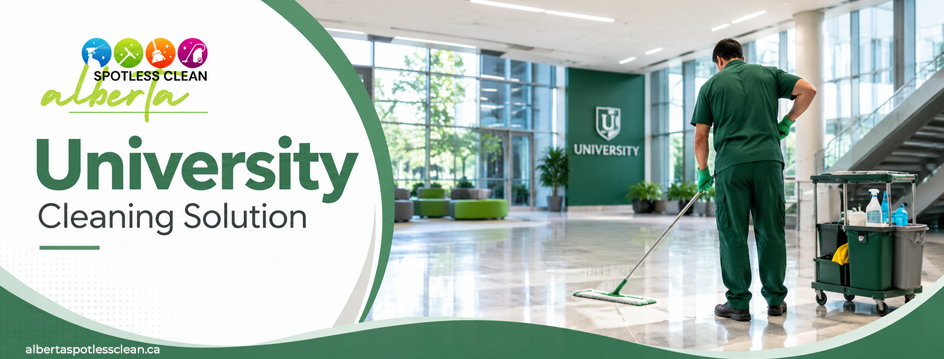
Clean educational and healthcare environments require more than routine dusting and mopping. They demand planning, trained personnel, suitable products, and consistent quality checks. A well-designed university cleaning solution helps campuses manage heavy daily foot traffic while protecting students, staff, visitors, and valuable facilities.
Medical environments require an even more controlled approach. Germs, bodily fluids, high-touch surfaces, and sensitive equipment create risks that ordinary commercial cleaning methods may not address. Therefore, universities and healthcare facilities need cleaning strategies built around their specific operational demands.
Why Specialized Cleaning Matters
Universities operate almost like small communities. Classrooms, laboratories, libraries, cafeterias, sports areas, residence halls, and administrative offices may all need attention on the same day.
The challenge is not simply making these spaces look clean. Cleaning teams must work around class schedules, events, examinations, research activities, and student movement. A missed restroom, overflowing waste bin, or poorly maintained common area can quickly affect the user experience.
Healthcare facilities face different pressures. Patient safety takes priority, while cleaning activities must avoid unnecessary disruption to care.
Professional medical facility cleaning services therefore rely on defined procedures rather than a one-size-fits-all routine. Cleaning frequency, disinfectant selection, waste handling, and staff training should reflect the risks associated with each area.
Building an Effective University Cleaning Solution
An effective university cleaning solution begins with a site assessment. Facility managers should identify high-traffic zones, sensitive rooms, operating hours, surface types, and areas requiring specialized treatment.
1. Divide the Campus Into Cleaning Zones
Not every university space requires the same cleaning frequency.
High-use areas such as restrooms, cafeterias, entrances, and lecture halls generally need more frequent attention. Libraries may require careful dust control, while laboratories can demand specialized protocols.
A zone-based plan allows teams to allocate labor according to actual usage instead of treating every room equally.
2. Create Cleaning Schedules Around Campus Activity
Timing matters. Cleaning during peak student movement can create unnecessary disruption.
Consequently, many facilities benefit from early-morning, evening, weekend, or vacation-period cleaning. High-traffic areas can receive attention between classes when practical.
The schedule should also account for examinations, conferences, sports events, and residential occupancy.
3. Prioritize High-Touch Surfaces
Door handles, elevator buttons, railings, desks, shared equipment, faucets, and other frequently touched surfaces deserve particular attention.
However, effective cleaning is not simply about using more disinfectant. The product must be appropriate for the surface, applied correctly, and allowed sufficient contact time according to its instructions.
4. Include Waste and Spill Response
Waste management should form part of the routine rather than being treated as an afterthought.
Teams should know how to separate, collect, and dispose of different waste streams. They should also have a clear procedure for responding to spills. Rapid response helps prevent slips, stains, odors, and unnecessary exposure.
Medical Facility Cleaning Requires Greater Control
Healthcare settings require carefully managed cleaning because different areas present different levels of risk. Patient rooms, treatment areas, laboratories, pharmacies, waiting rooms, and administrative offices should not automatically follow the same protocol.
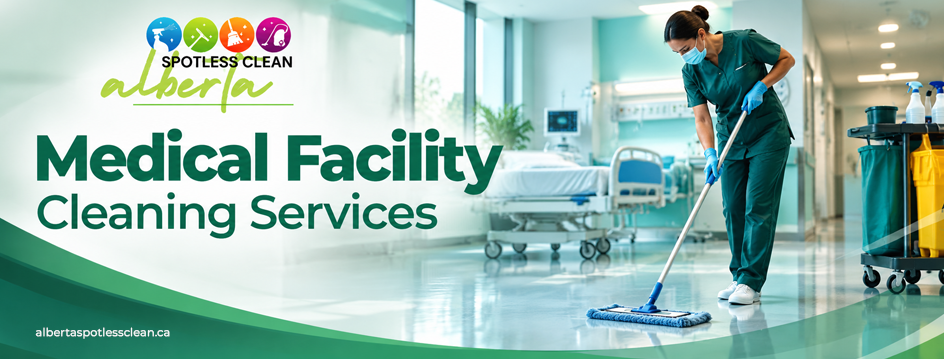
Reliable medical facility cleaning services use documented procedures for cleaning and disinfection. Staff should understand which surfaces require routine cleaning, which require more frequent disinfection, and how to prevent contamination from spreading between areas.
Infection Control Starts With Process
A sound healthcare cleaning program considers the sequence of work.
For example, teams generally need to avoid carrying contamination from dirtier areas into cleaner spaces. Cleaning tools should also be managed carefully, with appropriate separation, replacement, or decontamination practices.
Furthermore, staff need training in safe chemical handling, personal protective equipment, hand hygiene, and procedures for dealing with potentially infectious materials.
Choose Products for the Environment
Healthcare facilities may use professional disinfectants appropriate for their intended applications. Selection should consider the target microorganisms, surface compatibility, required contact time, and manufacturer instructions.
Using a stronger chemical does not automatically produce a better result. Correct application is what matters.
Areas That Deserve Special Attention
A comprehensive cleaning plan should identify areas where cleanliness directly affects safety, comfort, or operations.
For universities, this may include:
- Classrooms and lecture halls
- Laboratories and research spaces
- Libraries and study rooms
- Cafeterias and food-service areas
- Restrooms
- Residence halls
- Gymnasiums and sports facilities
- Administrative offices
- Windows, floors, and common areas
For healthcare environments, priorities can include:
- Patient rooms and wards
- Treatment and examination rooms
- Operating and surgical areas
- Emergency departments
- Laboratories
- Pharmacies
- Waiting rooms
- Restrooms
- Administrative spaces
This targeted approach helps organizations spend resources where they provide the greatest practical benefit.
Staff Training Makes the Difference
Equipment and cleaning chemicals are only as effective as the people using them.
A professional university cleaning solution should include training appropriate to the environment. University cleaners may need instruction in high-traffic maintenance, floor care, spill response, waste handling, and safe product use.
Healthcare personnel require additional knowledge. Medical facility cleaning services should be supported by workers who understand infection-control principles, blood-borne pathogen precautions, chemical safety, and procedures for sensitive environments.
Background checks, documented training, supervision, and performance reviews can also strengthen organizational trust.
Quality Control Should Be Measurable
Cleaning quality should not depend entirely on visual inspection.
Facility managers can use checklists, scheduled inspections, supervisor reviews, complaint tracking, and documented corrective actions. These tools make performance easier to monitor.
For healthcare settings, additional records may be useful for documenting cleaning schedules, disinfection activities, waste procedures, and staff training.
Regular audits can reveal patterns. If one restroom repeatedly requires additional attention, for instance, the issue may be scheduling, staffing, supplies, or usage rather than cleaning effort alone.
How to Select the Right Cleaning Provider
Before hiring a provider, facility managers should ask practical questions.
Does the company understand the facility type?
Experience with schools does not automatically mean experience with healthcare environments.
Are cleaning plans customized?
A useful program should reflect building size, occupancy, traffic, operating hours, and risk areas.
How are employees trained?
Ask about safety procedures, product handling, infection-control knowledge, and ongoing training.
How is quality measured?
Look for clear inspection processes and a defined method for resolving service issues.
Can schedules adapt?
Universities and medical facilities often have changing operational demands. Flexible scheduling can be essential.
For healthcare organizations, medical facility cleaning services should also demonstrate an understanding of confidentiality, sensitive areas, regulated waste, and infection-prevention requirements.
The Practical Benefits of a Well-Planned Program
A structured approach produces benefits beyond appearance.
On university campuses, consistent cleaning can support a more comfortable learning environment, better facility presentation, and smoother day-to-day operations. It can also help maintenance teams identify issues before they become larger problems.
In healthcare settings, disciplined cleaning supports infection-prevention efforts and contributes to a professional environment for patients, visitors, and employees.
Most importantly, the cleaning program becomes predictable. Staff know what must be cleaned, when it should happen, and how quality will be checked.
Trusted Cleaning Solutions for Safer, Spotless Spaces
Alberta Spotless Clean delivers dependable cleaning services designed around safety, hygiene, and consistent results. With a 97% customer satisfaction rate, 48 awards won, and a team of 125 experts, we bring professional care to homes, workplaces, universities, and medical facilities. Our experienced staff uses practical cleaning methods to keep every space pristine and well-maintained. New members can also access an exclusive discount of up to 30%, making professional cleaning more accessible without compromising quality or trust.
Final Takeaway
A successful university cleaning solution combines site assessment, zoning, scheduling, surface care, waste management, staff training, and measurable quality control. Medical facilities require similarly structured planning, but with stronger attention to infection control, sensitive spaces, and safe handling procedures.
In conclusion, choosing a cleaning provider should be based on more than price. Look for relevant experience, trained staff, adaptable schedules, transparent procedures, and reliable quality monitoring. For organizations seeking a tailored approach, Alberta Spotless Clean can help develop professional cleaning programs suited to educational and healthcare environments.