Cleanliness in a healthcare setting is more than a matter of appearance. Patients, visitors, doctors, nurses, and support staff all depend on a clean environment that supports safety and smooth daily operations. Unlike ordinary commercial spaces, medical facilities have higher hygiene demands, sensitive equipment, bodily-fluid exposure, and areas where cross-contamination must be carefully controlled.
That is why medical facility cleaning services in Calgary play an important role in maintaining safer clinics, medical offices, dental practices, laboratories, and other healthcare environments. Professional cleaning teams use structured procedures, suitable disinfectants, and trained staff to address the risks that ordinary cleaning routines may overlook.
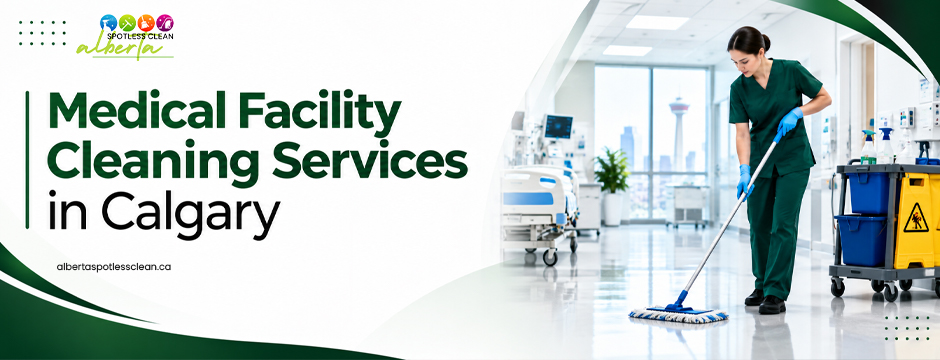
Why Healthcare Facilities Need Specialized Cleaning
A medical facility can contain many high-touch surfaces within a relatively small area. Door handles, examination tables, counters, waiting-room furniture, switches, and other frequently used surfaces require consistent attention.
Furthermore, healthcare workers may move between different rooms and patient areas throughout the day. Without appropriate cleaning procedures, contaminants can spread from one surface or zone to another.
Professional medical cleaning services are designed around these realities. Instead of treating every room in the same way, trained cleaners consider the purpose of each space, the type of surface involved, and the level of contamination risk.
The objective is not simply to make a facility look spotless. It is to create a controlled cleaning routine that supports hygiene, safety, and professional healthcare operations.
Medical Facility Cleaning Services in Calgary: What Should They Include?
A reliable healthcare cleaning program should cover more than routine dusting and mopping. Each task should have a clear purpose and follow appropriate procedures.
Medical-Grade Disinfection
Disinfection is central to healthcare cleaning. Professional teams focus on frequently touched surfaces and areas that require careful sanitation.
The products used should be appropriate for healthcare environments and applied according to their intended instructions. Correct contact time, surface compatibility, and safe handling all matter.
Infection Control Procedures
Infection control begins with consistent cleaning practices. Staff should understand how to reduce cross-contamination while moving through different parts of a facility.
This may involve separating cleaning equipment, following specific room sequences, using appropriate protective equipment, and applying suitable procedures to higher-risk areas.
Blood-Borne Pathogen Training
Healthcare facilities can involve exposure to blood and other bodily fluids. Cleaners therefore need specific training for situations involving potentially infectious materials.
A trained professional knows how to approach contaminated areas carefully, use appropriate protective measures, and follow established procedures for safe cleanup.
Safe Chemical Handling
Cleaning products are useful only when handled correctly. WHMIS training helps workers understand chemical hazards, labeling, storage, and safe workplace practices.
Consequently, healthcare facilities can reduce unnecessary exposure risks while maintaining effective sanitation routines.
Areas That Require Careful Attention
Healthcare cleaning requirements can vary significantly from one area to another.
Patient rooms and wards require dependable surface cleaning and sanitation. Waiting areas need regular attention because many people may use the same furniture and touchpoints throughout the day.
Operating rooms and surgical suites require more controlled procedures. Emergency departments may also experience unpredictable traffic and higher exposure to contaminants.
Laboratories and pharmacies present different operational considerations. Administrative offices, restrooms, corridors, and shared areas still need regular cleaning because they form part of the overall facility environment.
The right approach is therefore based on the facility’s layout and activities rather than a generic checklist.
How Professional Cleaning Supports Patient Experience
Patients often form an opinion about a healthcare provider before meeting a doctor or receiving treatment. The condition of the reception area, floors, restrooms, and visible surfaces can influence that first impression.
A clean environment can communicate organization and attention to detail. It may also help patients feel more comfortable during an already stressful visit.
However, appearance should not be the only goal. Professional cleaning also supports staff morale and reduces distractions caused by clutter, unpleasant odors, or visible hygiene problems.
For healthcare providers, this creates a more welcoming environment without interfering unnecessarily with patient care.
How to Choose the Right Healthcare Cleaning Provider
Selecting a cleaning provider involves more than simply comparing costs. Healthcare facilities should examine the provider’s training, procedures, reliability, and understanding of sensitive environments.
Check Staff Training
Ask whether cleaners receive training for healthcare settings, blood-borne pathogens, chemical handling, and infection-control procedures. Experience matters because healthcare spaces require greater attention to detail than many ordinary workplaces.
Review Cleaning Procedures
A professional provider should be able to explain how it handles high-touch surfaces, contaminated areas, waste, equipment, and different facility zones.
Specifically, ask how cleaning schedules are adapted when patient traffic changes or when a particular area requires additional attention.
Confirm Equipment and Disinfectants
The cleaning company should use appropriate equipment and professional-grade disinfectants suited to the surfaces being treated.
Specialized medical equipment may also require careful handling. Cleaning procedures should never create avoidable damage to sensitive surfaces or devices.
Consider Reliability
Healthcare facilities operate around patients and staff schedules. Missed visits or inconsistent service can create operational problems.
A dependable provider should offer clear scheduling, responsive communication, and consistent standards across every visit.
Building a Practical Cleaning Schedule
There is no universal cleaning schedule for every healthcare facility. A small medical office may have different requirements from a busy clinic or larger healthcare center.
Start by identifying areas according to traffic, use, contamination risk, and surface sensitivity. High-touch areas may require more frequent attention than low-traffic spaces.
Next, establish daily, periodic, and situation-specific tasks. Documenting these responsibilities can help staff understand what needs to be completed and when.
It is also useful to review the schedule regularly. Changes in patient volume, services, operating hours, or facility layout may require adjustments.
A structured plan makes cleaning more predictable and helps prevent important tasks from being overlooked.
Why Consistency Matters
One thorough cleaning session cannot replace an effective ongoing program. Healthcare environments are used continuously, so cleanliness can change quickly during a busy day.
Consistent medical cleaning services help facilities maintain established standards rather than reacting only when problems become visible.
Regular inspections can also identify recurring issues. For example, if certain touchpoints repeatedly require additional attention, the cleaning plan can be adjusted accordingly.
This approach supports better control, clearer accountability, and more dependable results.
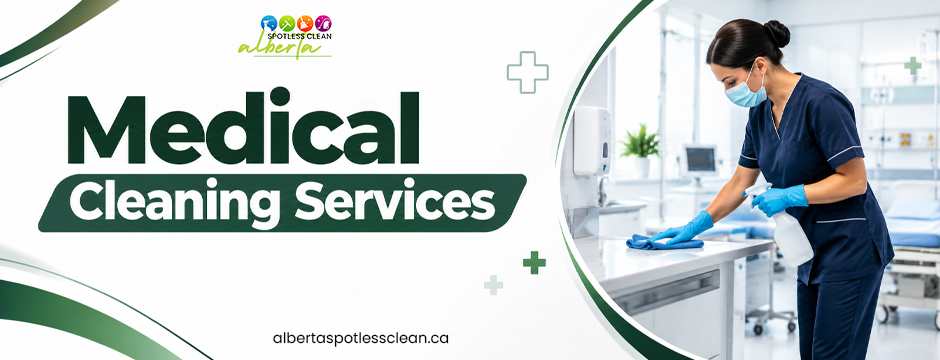
Protecting Staff, Patients, and Facility Standards
Healthcare cleaning involves several responsibilities at once. Staff need a hygienic workplace. Patients need confidence in their surroundings. Facility managers need reliable procedures that fit daily operations.
Professional medical facility cleaning services in Calgary can help bring these requirements together through trained personnel, appropriate products, detailed cleaning routines, and careful handling of sensitive areas.
Moreover, professional cleaning can support a facility’s broader commitment to safety and quality. It becomes part of the operational framework rather than an afterthought.
Questions to Ask Before Hiring a Cleaning Provider
Before choosing a provider, healthcare managers can ask:
- Are cleaners trained specifically for healthcare environments?
- Do they understand infection-control practices?
- How are blood or bodily-fluid incidents handled?
- Which disinfectants and cleaning products are used?
- How are high-touch areas prioritized?
- Can the schedule be customized to patient traffic?
- How is sensitive equipment treated?
- What procedures are followed for healthcare-related waste?
- How does the company handle quality checks and service concerns?
Clear answers can make it easier to compare providers and identify a team that understands the demands of medical environments.
Choose a Trusted Partner for Healthcare Cleaning in Calgary
Alberta Spotless Clean delivers dependable medical facility cleaning services in Calgary with a strong focus on hygiene, safety, and consistent results. Backed by an expert team of 125 professionals, the company has completed 261 projects, achieved 97% customer satisfaction, and earned 48 awards. From clinics to medical offices, every cleaning plan is tailored to facility needs and operational demands, helping create cleaner, safer, and more welcoming healthcare environments without disrupting daily care.
Creating a Safer Healthcare Environment
Clean healthcare spaces require planning, training, consistency, and attention to detail. The right cleaning program considers more than visible dirt. It accounts for traffic patterns, high-touch surfaces, sensitive equipment, contamination risks, staff movement, and the specific function of each room.
For clinics and healthcare facilities seeking dependable medical facility cleaning services in Calgary, the priority should be a provider that combines trained personnel with structured procedures and flexible scheduling.
In conclusion, professional cleaning is an important part of maintaining a safe, welcoming, and efficiently managed healthcare environment. When hygiene procedures are carefully planned and consistently followed, healthcare providers can create spaces where patients and staff feel more confident every day.
For Calgary healthcare providers seeking a dependable cleaning partner, Alberta Spotless Clean can help develop a professional cleaning approach suited to the facility’s needs.
Frequently Asked Questions
1. What are the benefits of medical facility cleaning services in Calgary?
Professional medical facility cleaning services in Calgary help maintain hygienic healthcare spaces, reduce contamination risks, support patient confidence, and create safer environments for patients, visitors, and staff.
2. What do medical cleaning services include?
Medical cleaning services can include disinfection, high-touch surface cleaning, infection-control procedures, blood-borne pathogen cleanup, equipment-sensitive cleaning, restroom sanitation, and healthcare waste handling.
3. How much do medical facility cleaning services in Calgary cost?
Pricing varies based on facility size, cleaning frequency, service areas, patient traffic, and specific hygiene requirements. A customized assessment can provide a more accurate estimate.
4. How can I trust a healthcare cleaning company with my facility?
Look for trained staff, WHMIS certification, infection-control knowledge, appropriate disinfectants, background checks, reliable procedures, and experience working in sensitive healthcare environments.
5. What makes professional healthcare cleaning different from regular commercial cleaning?
Healthcare cleaning requires specialized infection-control procedures, trained personnel, appropriate disinfectants, contamination protocols, and careful handling of sensitive areas. These requirements make it more specialized than standard office or commercial cleaning.