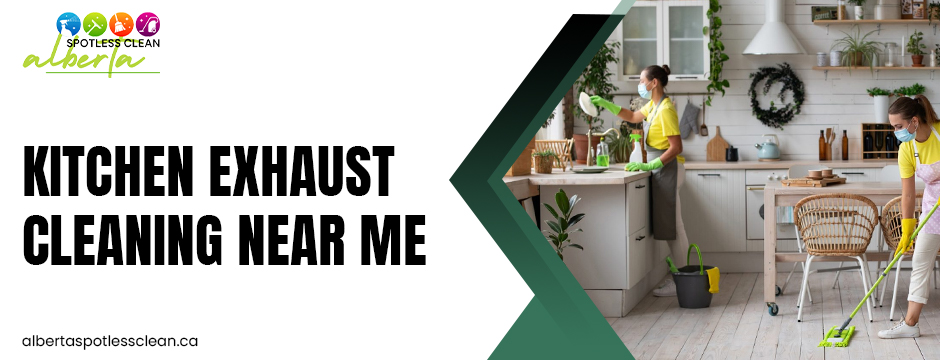
A commercial kitchen is one of the busiest and most demanding environments in any food service business. Whether you operate a restaurant, café, hotel kitchen, food truck, or catering service, your kitchen exhaust system works continuously to remove smoke, grease, heat, and airborne contaminants. Over time, grease accumulates inside the hood, filters, ductwork, and exhaust fans, creating serious fire hazards and reducing ventilation efficiency. That is why many business owners search for “kitchen exhaust cleaning near me” to ensure their systems remain safe, compliant, and operational.
Regular kitchen exhaust cleaning is not just about cleanliness—it is essential for fire prevention, employee safety, air quality, and regulatory compliance. Understanding how often you should schedule professional cleaning can help protect your business, equipment, and reputation while ensuring your kitchen runs smoothly every day.
Why Kitchen Exhaust Cleaning Is So Important
Commercial kitchen exhaust systems collect grease particles produced during cooking. As grease builds up inside ducts and hoods, it becomes highly flammable. A single spark or flare-up can ignite the grease and quickly spread fire throughout the ventilation system.
Routine exhaust cleaning helps:
- Reduce fire risks
- Improve airflow and ventilation
- Maintain healthy indoor air quality
- Prevent unpleasant odours
- Increase equipment lifespan
- Ensure compliance with local fire codes
- Improve kitchen efficiency
- Create a cleaner working environment
Without regular maintenance, grease buildup can become dangerous and expensive to remove. In severe cases, businesses may face penalties, failed inspections, or temporary shutdowns.
Factors That Determine Cleaning Frequency
There is no universal cleaning schedule for every kitchen. The ideal frequency depends on several operational factors.
Type of Cooking
The amount of grease produced varies significantly depending on the cooking style.
High-grease cooking operations generate more buildup and require more frequent cleaning. Examples include:
- Fast food restaurants
- Burger grills
- Fried chicken kitchens
- BBQ restaurants
- Wok cooking establishments
Lower-grease operations such as coffee shops, bakeries, or sandwich stores may require less frequent cleaning because they produce fewer airborne grease particles.
Volume of Cooking
A busy restaurant operating all day will naturally accumulate grease faster than a smaller establishment with limited hours.
Heavy-volume kitchens often require monthly or quarterly cleaning, while lower-volume operations may only need service every six months.
Hours of Operation
Restaurants operating 24/7 or late-night kitchens put constant strain on their exhaust systems. Continuous cooking activity accelerates grease accumulation.
Extended operating hours typically mean more frequent cleaning requirements.
Type of Fuel Used
Solid fuel cooking, such as charcoal or wood-fired ovens, produces heavier smoke and residue compared to electric cooking equipment. Restaurants using wood-burning grills or pizza ovens usually need more frequent exhaust cleaning.
Local Fire Regulations
Municipal fire codes and insurance providers often establish mandatory cleaning schedules. Failing to comply with these regulations can result in fines or denied insurance claims.
Professional exhaust cleaning companies can help ensure your kitchen remains compliant with local standards.
Recommended Kitchen Exhaust Cleaning Schedule
Industry standards often follow guidelines established by fire safety organisations. Here are the commonly recommended cleaning intervals.
Monthly Cleaning
Monthly service is generally recommended for:
- High-volume fast food restaurants
- 24-hour kitchens
- Charbroiling operations
- Wok cooking establishments
- Heavy frying kitchens
These businesses generate large amounts of grease daily and face higher fire risks.
Quarterly Cleaning
Every three months is ideal for:
- Standard full-service restaurants
- Hotel kitchens
- Cafeterias
- Busy commercial kitchens
Quarterly cleaning helps maintain safe grease levels and efficient ventilation.
Semi-Annual Cleaning
Every six months may be sufficient for:
- Pizza shops
- Moderate-volume kitchens
- Seasonal restaurants
- Smaller catering kitchens
Although grease accumulation is slower, regular inspections remain important.
Annual Cleaning
Once-a-year cleaning may work for:
- Churches
- Community halls
- Low-volume kitchens
- Businesses with limited cooking operations
Even low-use systems should still be inspected regularly for hidden buildup.
Signs Your Kitchen Exhaust Needs Immediate Cleaning
Even if you follow a regular schedule, there are warning signs that indicate your system may require immediate professional attention.
Excessive Grease Buildup
Visible grease dripping from the hood or filters is a major warning sign in the educational facility cleaning. Thick grease deposits increase fire risks dramatically.
Poor Ventilation
If smoke lingers in the kitchen or dining area, your exhaust system may be clogged with grease buildup, restricting airflow.
Strong Odors
Persistent greasy smells often indicate dirty ductwork or exhaust fans.
Increased Kitchen Temperatures
Poor airflow can trap heat inside the kitchen, making working conditions uncomfortable for staff.
Unusual Fan Noise
Exhaust fans struggling against grease buildup may become noisy or less efficient.
Failed Inspections
Health inspectors or fire marshals may require immediate cleaning if the system fails safety standards.
Risks of Delaying Exhaust Cleaning
Ignoring exhaust maintenance can create several serious problems.
Fire Hazards
Grease fires spread rapidly through ventilation systems. Many commercial kitchen fires originate from neglected exhaust systems.
Health Concerns
Dirty ventilation systems circulate contaminated air, smoke, and odours throughout the kitchen.
Reduced Equipment Efficiency
Blocked airflow forces fans and HVAC systems to work harder, increasing energy costs and wear.
Expensive Repairs
Heavy grease buildup can damage fans, ducts, and motors, leading to costly repairs or replacements.
Business Downtime
Emergency shutdowns caused by failed inspections or fire incidents can significantly impact revenue and reputation.
Benefits of Professional Kitchen Exhaust Cleaning
Professional cleaning companies use specialised equipment and techniques to thoroughly clean all components of the exhaust system.
Professional services typically include:
- Hood cleaning
- Filter degreasing
- Duct cleaning
- Exhaust fan cleaning
- Grease removal
- System inspection
Experts ensure hidden grease deposits are removed safely and effectively.
Compliance Documentation
Most professional companies provide inspection reports and cleaning certificates, which may be required for insurance and fire code compliance.
Improved Fire Safety
Routine professional cleaning significantly lowers the risk of grease-related kitchen fires.
Better Air Quality
Clean systems improve ventilation, reduce smoke, and create a healthier environment for employees and customers.
Longer Equipment Lifespan
Regular maintenance helps prevent excessive wear on exhaust fans and ventilation systems.
How to Choose the Right Kitchen Exhaust Cleaning Company?
When searching for “kitchen exhaust cleaning near me,” choosing an experienced and certified provider is essential.
Look for companies that offer:
- Certified technicians
- Commercial kitchen expertise
- Compliance with fire safety standards
- Detailed inspection reports
- Flexible scheduling
- Positive customer reviews
- Fully insured services
Avoid companies that only clean visible hood surfaces without addressing ductwork and exhaust fans. A complete cleaning should cover the entire exhaust system.
Tips to Maintain Your Kitchen Exhaust Between Professional Cleanings
While professional cleaning is necessary, daily maintenance also helps reduce grease buildup.
Clean Filters Regularly
Filters should be cleaned frequently to prevent excessive grease accumulation.
Wipe Down Hood Surfaces
Daily cleaning of accessible surfaces helps maintain cleanliness and reduces buildup.
Train Staff Properly
Kitchen employees should understand basic hood maintenance and fire safety procedures.
Schedule Routine Inspections
Regular inspections help identify issues before they become dangerous or expensive.
Wrapping Up
Scheduling regular kitchen exhaust cleaning near me is essential for maintaining a safe, efficient, and compliant commercial kitchen. The right cleaning frequency depends on your cooking volume, equipment, fuel type, and operational hours. While some kitchens require monthly service, others may only need quarterly or semi-annual maintenance. Ignoring grease buildup can lead to fire hazards, poor air quality, costly repairs, and failed inspections.
For reliable and professional kitchen exhaust cleaning services, businesses can trust Alberta Spotless Clean to help maintain cleaner, safer, and more efficient commercial kitchens. Our experienced team provides thorough exhaust cleaning solutions designed to improve safety, compliance, and overall kitchen performance.