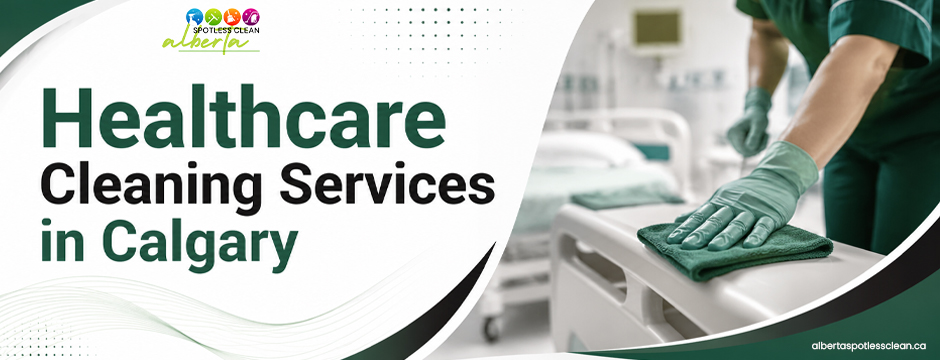
Healthcare facilities demand a level of cleanliness that goes far beyond regular commercial cleaning. Hospitals, medical clinics, dental offices, physiotherapy centres, diagnostic labs, and urgent care facilities serve vulnerable individuals every day, making proper sanitisation essential for patient safety and infection prevention. In Calgary, healthcare providers rely on professional cleaning services that understand strict hygiene protocols and industry standards.
Effective Healthcare Cleaning Services in Calgary help minimise cross-contamination, protect staff and visitors, and support compliance with health regulations. Whether it’s a busy medical clinic or a specialised treatment centre, following proven sanitisation practices ensures a healthier environment where patients receive care with confidence.
Why Healthcare Cleaning Requires Specialised Expertise?
Unlike standard office cleaning, healthcare cleaning involves strict protocols designed to reduce the spread of bacteria, viruses, and other harmful pathogens. Every surface, piece of equipment, and patient-facing area can become a potential source of contamination if not cleaned correctly.
Professional healthcare cleaning services understand:
- Infection prevention strategies
- Proper cleaning frequencies
- Safe disinfectant usage
- Cross-contamination prevention
- Waste handling procedures
- Personal protective equipment (PPE) requirements
Healthcare facilities also require documented cleaning schedules, trained personnel, and standardised procedures to maintain consistent hygiene standards.
High-Touch Surfaces Need Extra Attention
One of the biggest priorities in medical facility sanitisation is disinfecting high-touch surfaces. These areas experience constant contact from patients, healthcare professionals, and visitors.
Examples include:
- Door handles
- Reception counters
- Examination tables
- Bed rails
- Light switches
- Waiting room chairs
- Medical carts
- Handrails
- Computer keyboards
- Elevator buttons
These surfaces should be cleaned far more frequently than low-touch areas because they present a greater opportunity for pathogen transmission.
Use Hospital-Grade Cleaning Products
Medical environments require cleaning products specifically designed to eliminate harmful microorganisms without damaging sensitive equipment.
Professional Healthcare Cleaning Services in Calgary use products that are:
- Approved for healthcare environments
- Effective against bacteria and viruses
- Suitable for various surface materials
- Applied according to manufacturer instructions
- Stored and handled safely
Using the wrong chemicals can reduce cleaning effectiveness or damage medical equipment, making product selection an important part of healthcare sanitation.
Follow a Structured Cleaning Schedule
Consistency is essential in healthcare cleaning.
Every facility should have a structured cleaning program that defines:
- Daily cleaning tasks
- Hourly sanitisation of busy areas
- Weekly deep cleaning
- Emergency spill response
- Terminal cleaning after infectious patients
- Documentation and inspection procedures
Having standardised operating procedures ensures every member of the cleaning team performs tasks correctly while maintaining accountability.
Prevent Cross-Contamination
Cross-contamination remains one of the biggest concerns in healthcare facilities.
Professional cleaners reduce this risk by:
- Using colour-coded microfiber cloths
- Assigning separate cleaning tools to different zones
- Changing mop heads regularly
- Cleaning from cleaner areas toward dirtier areas
- Replacing contaminated supplies immediately
These practices help prevent microorganisms from spreading between patient rooms, treatment areas, and public spaces.
Proper PPE Usage Is Essential
Cleaning professionals working in healthcare environments should always wear appropriate personal protective equipment.
- Gloves
- Masks
- Face shields
- Protective gowns
- Safety glasses
PPE protects cleaning staff while preventing contaminants from spreading throughout the facility.
Regular training also ensures employees know when to replace protective gear and how to dispose of it safely.
Medical Waste Must Be Handled Carefully
Healthcare cleaning extends beyond disinfecting surfaces.
Medical facilities generate waste that requires proper handling, including:
- Used gloves
- Disposable gowns
- Sharps containers
- Contaminated cleaning materials
- Biohazard waste
Professional cleaning companies understand the importance of following established disposal procedures while complying with local health regulations.
Improper waste handling can create unnecessary risks for patients, staff, and cleaning personnel.
Air Quality Matters Too
A clean healthcare environment isn’t limited to visible surfaces.
Indoor air quality contributes significantly to patient comfort and overall health.
Healthcare cleaning services often include:
- Dust removal
- HEPA vacuuming
- Vent cleaning
- Air vent maintenance
- Mold prevention
- Odor control
Reducing airborne contaminants helps create a healthier environment for individuals with weakened immune systems or respiratory conditions.
Focus on Patient Rooms and Treatment Areas
Patient rooms require careful attention because they serve as the primary point of care.
Cleaning teams should thoroughly sanitise:
- Beds
- Bedside tables
- Medical equipment
- Bathroom fixtures
- Floors
- Curtains when necessary
- Frequently touched furniture
Treatment rooms also require routine cleaning before and after patient appointments to maintain safe clinical conditions.
Maintaining these spaces consistently supports infection prevention while improving patient confidence in the facility
Staff Training Makes a Difference
Healthcare cleaning is only as effective as the people performing it.
Professional cleaning providers invest in ongoing employee education covering:
- Infection prevention
- Updated sanitisation techniques
- Safe chemical handling
- PPE protocols
- Cleaning documentation
- Emergency response procedures
Well-trained staff can identify potential hygiene concerns before they become larger problems.
Healthcare cleaning should never rely on guesswork or inconsistent practices.
Quality Assurance and Regular Inspections
The best healthcare cleaning services continuously evaluate their performance.
Quality assurance may include:
- Routine inspections
- Cleaning audits
- Supervisor walkthroughs
- Documentation reviews
- Staff feedback
- Client communication
Regular monitoring ensures cleaning standards remain consistent throughout the year and allows facilities to quickly address any concerns. The CDC also emphasises monitoring, standardised protocols, and feedback as core components of an effective healthcare cleaning program.
Customised Cleaning Plans for Every Medical Facility
No two healthcare facilities operate the same way.
A dental clinic has different cleaning priorities than a physiotherapy centre, diagnostic laboratory, or outpatient surgical clinic.
Customised medical cleaning services consider:
- Facility size
- Patient volume
- Operating hours
- Specialized equipment
- High-risk treatment areas
- Regulatory requirements
This tailored approach helps maintain cleanliness without interrupting patient care or daily operations.
Bottom Line
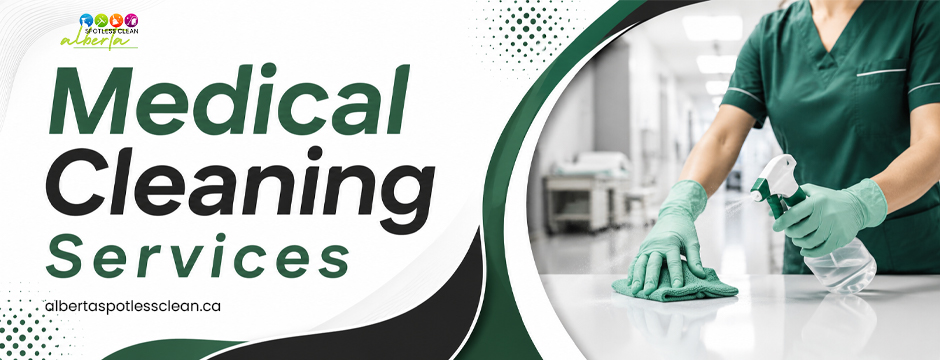
Maintaining exceptional cleanliness in healthcare facilities is about far more than appearance—it’s about protecting patients, supporting healthcare professionals, and reducing the risk of infection. By following best practices such as disinfecting high-touch surfaces, using hospital-grade cleaning products, preventing cross-contamination, ensuring proper PPE usage, and implementing structured cleaning schedules, medical facilities can create a safer environment for everyone.
For healthcare providers seeking dependable Healthcare Cleaning Services in Calgary, Alberta Spotless Clean delivers professional, detail-oriented services tailored to demanding environments. Learn more about our expertise in commercial and office cleaning by visiting us.