Choosing the right healthcare cleaning provider is vital to maintaining hygienic medical facilities, protecting patients, and meeting relevant health and workplace standards. From clinics and dental offices to laboratories and hospitals, every healthcare setting needs a cleaning team that understands infection prevention, safe disinfectant use, and the demands of clinical care.
The best healthcare cleaning services in Calgary bring together skilled staff, proven cleaning protocols, suitable products, flexible scheduling, and consistent quality control. Before signing a contract, assess these 10 essential qualities to find a provider that meets your facility’s needs and supports a cleaner, safer environment for everyone.
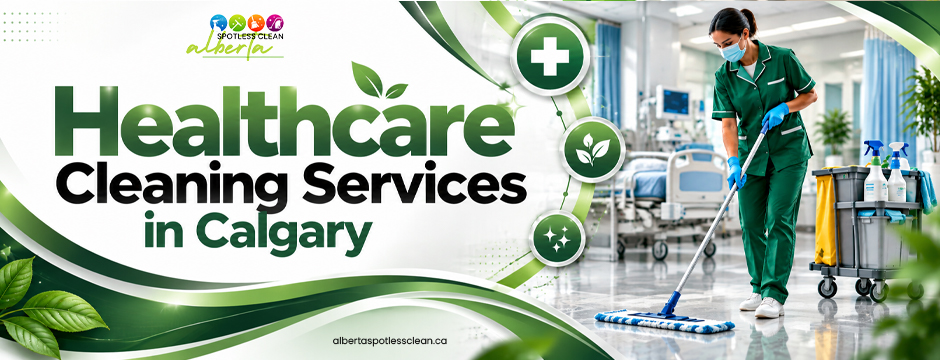
What Should You Look for in Healthcare Cleaning Services in Calgary?
A qualified healthcare cleaning provider should demonstrate relevant experience, staff training, infection control procedures, appropriate disinfectant selection, regulatory awareness, safe waste-handling practices, flexible scheduling, customised cleaning plans, quality assurance, and transparent pricing.
Use the following checklist to compare providers before making your decision.
1. Healthcare Cleaning Experience
Healthcare cleaning services in Calgary require specialised cleaning practices that differ from standard commercial cleaning. Examination rooms, treatment areas, laboratories, and patient waiting rooms have different hygiene requirements.
Choose a provider with experience in medical offices, dental practices, clinics, or similar healthcare environments. Ask about the types of facilities it has serviced and how its procedures address clinical cleaning requirements.
What to verify:
- Experience with healthcare-specific cleaning tasks.
- Understanding of high-touch surfaces and cross-contamination risks.
- Documented procedures for different room types.
- References from relevant clients, where available.
Experience helps a contractor understand the practical challenges of working around patients, staff, and sensitive equipment.
2. Trained and Screened Cleaning Staff
Proper training helps cleaning personnel handle chemicals safely, use personal protective equipment (PPE), and follow infection prevention procedures.
Ask whether staff receive training in WHMIS, safe chemical handling, blood-borne pathogen awareness, and the cleaning tasks assigned to them. Relevant training should reflect the worker’s responsibilities and the facility’s risk profile.
Background screening, supervision, and refresher training are also worth checking.
A reliable contractor should explain how it prepares new employees, monitors performance, and updates training when procedures change.
3. Documented Infection Control Procedures
Infection prevention is a central consideration when hiring a medical cleaning company. Effective procedures should explain how staff clean and disinfect surfaces while reducing the risk of transferring contaminants between rooms.
Look for written protocols covering high-touch surfaces, cleaning equipment, cloth replacement, hand hygiene, and room-specific precautions.
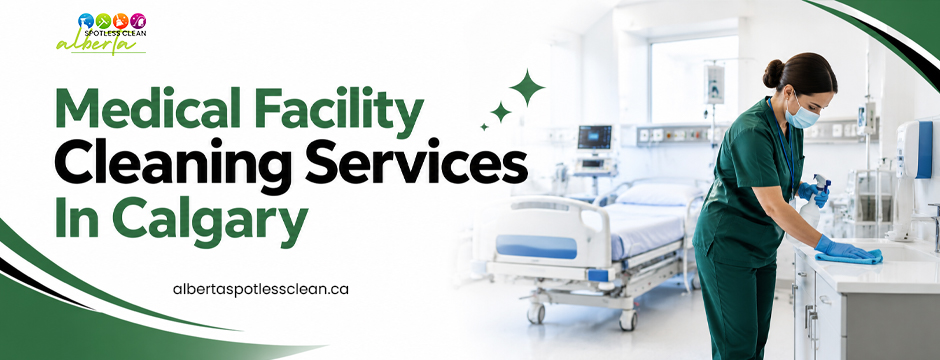
Medical facility cleaning services in Calgary should also align their work with the healthcare facility’s infection prevention policies.
Ask the provider how it prevents cross-contamination between reception areas, examination rooms, treatment spaces, and other clinical zones. Clear procedures are more useful than general promises of exceptional cleanliness.
4. Appropriate Disinfectants and Cleaning Equipment
Healthcare cleaning products must be suitable for their intended surfaces and uses. Incorrect product selection or application can reduce effectiveness and potentially damage sensitive equipment.
Ask which disinfectants the contractor uses and whether they meet applicable Health Canada requirements for their intended purpose. Request product information and safety data sheets where appropriate.
Check whether staff understand:
- Required disinfectant contact times.
- Correct dilution and application methods.
- Surface compatibility and manufacturer instructions.
- Safe storage and handling requirements.
Suitable equipment is equally important. Dedicated cleaning tools and colour-coded cloths can help reduce cross-contamination when used within a documented system.
5. Regulatory Awareness and Patient Confidentiality
A healthcare cleaning contractor should understand the legal and operational requirements relevant to its work in Alberta.
Ask how its procedures support applicable provincial requirements, workplace safety rules, and your facility’s infection prevention policies. Request evidence for specific compliance claims rather than relying on broad guarantees.
Confidentiality is another important consideration. Cleaning staff may encounter patient records, computer screens, appointment details, or sensitive conversations.
Check whether employees receive privacy training and understand how to protect confidential information.
Canadian healthcare facilities should assess the privacy legislation applicable to their operations. HIPAA is a United States law and should not automatically be presented as a universal Canadian compliance requirement.
6. Safe Biohazardous Waste Handling
Some healthcare environments generate waste that requires specialised handling, including sharps and materials contaminated with blood or bodily fluids.
Before hiring, clarify whether the cleaning contractor handles regulated healthcare waste or provides routine cleaning only.
A qualified provider should explain its responsibilities, protective equipment, handling procedures, and disposal arrangements. It should also identify when a licensed or otherwise appropriately authorised specialist waste contractor is required.
This distinction helps prevent unsafe handling and ensures that clinical staff and cleaning personnel understand their respective responsibilities.
7. Flexible Scheduling Around Patient Care
Cleaning should support healthcare operations rather than interrupt them. A suitable provider will consider opening hours, appointment schedules, patient volumes, and the cleaning requirements of individual rooms.
For example, a dental clinic may require treatment rooms to be cleaned between patients according to its established protocols. A busy medical office may need regular attention to reception counters, door handles, and restrooms.
Ask whether the healthcare cleaning services in Calgary offer early-morning, evening, or other agreed service windows. Confirm how urgent requests and schedule changes are handled.
The goal is a practical cleaning schedule that maintains hygiene while allowing healthcare professionals to focus on patient care.
8. A Customised Healthcare Cleaning Plan
No two healthcare facilities have identical cleaning requirements. A small physiotherapy clinic may need a different service schedule from a laboratory or a larger medical centre.
Choose a provider that assesses your premises before preparing a cleaning proposal.
A suitable plan should identify:
- Areas requiring cleaning and disinfection.
- Task frequency based on risk and facility policies.
- Responsibilities for clinical equipment and sensitive surfaces.
- Required products and cleaning methods.
- Inspection and reporting procedures.
Healthcare cleaning services in Calgary should be tailored to the facility’s layout, patient traffic, operational hours, and documented hygiene requirements.
A written scope of work makes expectations clearer and helps prevent important tasks from being overlooked.
9. Quality Assurance and Responsive Support
A cleaning contract should include a way to measure service quality. Without regular checks, missed tasks and inconsistent procedures may go unnoticed.
Ask how the provider monitors completed work. Useful measures include inspection checklists, supervisor reviews, service records, and a documented process for correcting problems.
Communication matters, too. Your facility should know whom to contact about missed tasks, additional cleaning requests, or operational changes.
Before signing, clarify reporting arrangements, complaint resolution, response expectations, and how service performance will be reviewed.
These measures help establish accountability throughout the contract.
10. Transparent Pricing and Appropriate Insurance
A low quotation may appear attractive, but the price alone does not establish value. Some proposals exclude specialised supplies, additional visits, or certain cleaning tasks.
Request an itemised quotation that clearly defines the service scope and any additional charges.
Check whether the price covers labour, cleaning products, equipment, scheduled visits, and agreed supplementary services. Confirm the contractor’s insurance coverage and review the terms for cancellations, service changes, and unsatisfactory work.
Ask for references or relevant documentation when available. Comparing detailed proposals makes it easier to assess value without compromising essential cleaning requirements.
How Do You Compare Healthcare Cleaning Companies?
Use this quick checklist when reviewing potential healthcare cleaning services in Calgary providers:
| Evaluation area | What to confirm |
| Experience | Relevant healthcare cleaning references |
| Staff training | Role-specific training and supervision |
| Infection prevention | Written cleaning and disinfection protocols |
| Products | Suitable disinfectants and product instructions |
| Compliance | Evidence supporting applicable requirements |
| Waste handling | Clear responsibilities and safe procedures |
| Scheduling | Service times that fit facility operations |
| Cleaning plan | Written scope and task frequencies |
| Quality control | Inspections and corrective actions |
| Pricing | Transparent quotation and contract terms |
Ask each shortlisted company the same questions. This makes proposals easier to compare and highlights gaps that might otherwise be missed.
Conclusion
Selecting a healthcare cleaning services in Calgary contractor requires more than comparing quotations. Evaluate its experience, training, infection prevention procedures, product knowledge, scheduling, and quality controls before making a decision.
The right provider should explain its methods clearly, document its responsibilities, and adapt its service to your facility’s needs.
If your clinic, dental practice, or medical office needs a tailored cleaning plan, contact Alberta Spotless Clean to discuss your requirements and explore suitable service options.
Frequently Asked Questions
How often should a healthcare facility be cleaned?
Cleaning frequency depends on the type of facility, patient traffic, surface use, contamination risks, and applicable protocols. High-touch surfaces and clinical areas may require more frequent attention than administrative spaces. Follow your facility’s risk assessment, infection prevention policies, and relevant product instructions.
What is the difference between cleaning and disinfection?
Cleaning removes dirt, organic matter, and other unwanted material from surfaces. Disinfection uses an appropriate product to inactivate specified microorganisms under the required conditions. Depending on the situation, effective disinfection may require prior cleaning.
What questions should you ask a medical cleaning company?
Ask about healthcare experience, staff training, infection prevention procedures, disinfectants, waste-handling responsibilities, insurance, scheduling, quality inspections, and pricing. Request written documentation for important claims.
Are healthcare cleaning services different from regular commercial cleaning?
Yes. Healthcare environments may require additional infection prevention measures, specialised products, room-specific procedures, and stricter controls for sensitive surfaces or potentially infectious materials. The precise requirements depend on the facility and the services being performed.