In the food industry, cleanliness goes far beyond creating a positive first impression. It directly affects customer safety, regulatory compliance, and the overall reputation of a business. Whether operating a restaurant, café, catering facility, or commercial kitchen, maintaining proper food service cleaning and sanitizing procedures is critical for daily operations.
Health inspectors, customers, and employees all expect a safe environment where food is prepared according to strict hygiene standards. Furthermore, consistent cleaning routines help reduce contamination risks, extend equipment lifespan, and support smooth business operations. Understanding the essential practices behind effective sanitation can help food establishments stay compliant while protecting public health.
Why Food Service Cleaning and Sanitizing Matters
The food service industry faces unique cleaning challenges every day. Kitchens generate grease, moisture, food debris, and airborne particles that can quickly create unsanitary conditions if left unmanaged.
Proper food service cleaning and sanitizing help eliminate harmful bacteria, viruses, and contaminants that may cause foodborne illnesses. It also ensures compliance with local health regulations and industry standards.
Beyond compliance, cleanliness contributes to customer confidence. A well-maintained facility reflects professionalism and demonstrates a commitment to food safety.
Understanding the Difference Between Cleaning and Sanitizing
Many people use these terms interchangeably. However, they serve different purposes.
Cleaning
Cleaning removes visible dirt, grease, food residue, and debris from surfaces. This process typically involves detergents and physical scrubbing.
Sanitizing
Sanitizing reduces harmful microorganisms to safe levels after a surface has been cleaned. Approved sanitizing agents are used according to manufacturer instructions and food safety guidelines.
Both steps are necessary. Sanitizing without cleaning first may leave behind contaminants that reduce effectiveness.
Key Areas That Require Daily Attention
Every commercial kitchen contains multiple high-risk zones that demand routine care.
Food Preparation Surfaces
Cutting boards, prep tables, counters, and workstations come into direct contact with food. These surfaces should be cleaned and sanitized throughout the day, especially after handling raw ingredients.
Commercial Cooking Equipment
Grills, fryers, ovens, and stovetops accumulate grease and food particles rapidly. Regular maintenance helps improve efficiency and reduce fire hazards.
Walk-In Coolers and Storage Areas
Storage spaces often get overlooked. However, spills, expired products, and moisture buildup can create ideal conditions for bacterial growth.
Dishwashing Stations
Dishwashing areas should remain free of residue and standing water. Proper cleaning ensures that utensils and cookware remain safe for use.
Consistent food service cleaning and sanitizing across these areas helps maintain a hygienic kitchen environment.
Managing Grease Buildup in Commercial Kitchens
Grease accumulation is one of the biggest challenges in food establishments. Over time, grease can coat walls, floors, equipment, and ventilation systems.
Excess grease creates several problems:
- Increased fire risk
- Unpleasant odors
- Reduced equipment performance
- Attraction of pests
- Difficult health inspections
Deep kitchen cleaning and degreasing should be scheduled regularly. Professional cleaning teams often use specialized tools and food-safe products to remove stubborn buildup effectively.
The Importance of Exhaust and Hood Cleaning
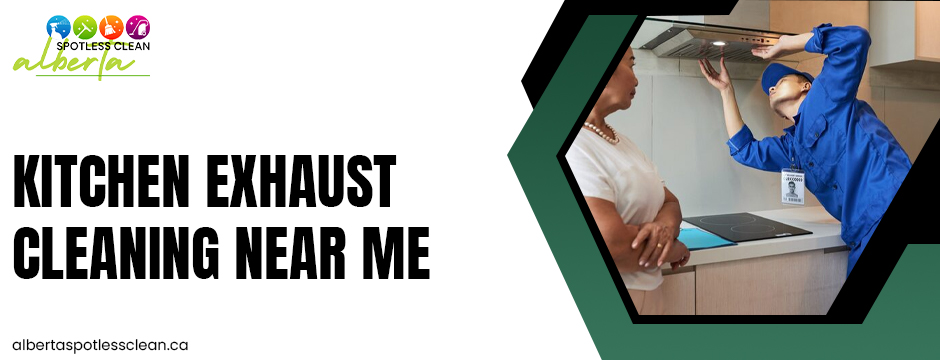
Kitchen ventilation systems play a crucial role in maintaining indoor air quality. Hoods, filters, and exhaust systems continuously capture grease, smoke, and airborne contaminants.
Without regular maintenance, these systems become less efficient and potentially hazardous.
Many restaurant owners search for kitchen exhaust cleaning near me when ventilation systems begin showing signs of excessive grease accumulation. Routine cleaning helps improve airflow while supporting fire safety compliance.
Furthermore, clean exhaust systems contribute to a healthier working environment for kitchen staff.
Food Safety Standards Every Restaurant Should Follow
Maintaining food safety requires more than occasional deep cleaning. It involves following structured sanitation protocols every day.
Cross-Contamination Prevention
Separate cleaning tools should be used for different areas to prevent bacteria transfer between food preparation zones and other surfaces.
Proper Chemical Usage
Cleaning and sanitizing products must be food-safe and used according to recommended concentrations.
Employee Hygiene
Staff members should practice proper handwashing and wear clean uniforms when handling food.
Waste Management
Regular waste disposal prevents odors, pest activity, and bacterial growth.
Strong food service cleaning and sanitizing procedures support all of these critical safety measures.
Staying Prepared for Health Inspections
Health inspections can occur at any time. Facilities that maintain consistent cleaning schedules are typically better prepared when inspectors arrive.
An inspection-ready establishment focuses on:
- Sanitized food-contact surfaces
- Clean floors and drains
- Properly maintained equipment
- Organized storage areas
- Pest-free environments
- Accurate sanitation records
Rather than rushing before inspections, businesses should adopt preventative cleaning practices that maintain compliance year-round.
Consequently, this proactive approach minimizes stress and reduces the likelihood of violations.
Pest Prevention Through Effective Sanitation
Pests are attracted to food residue, grease, moisture, and waste. Even small sanitation gaps can create opportunities for infestations.
Effective food service cleaning and sanitizing help eliminate the conditions that attract rodents and insects.
Special attention should be given to:
- Floor drains
- Storage shelves
- Waste disposal zones
- Behind the cooking equipment
- Under sinks and counters
Keeping these areas clean significantly lowers pest-related risks and protects food inventory.
When Professional Cleaning Services Become Essential
While daily cleaning remains the responsibility of restaurant staff, some tasks require specialized expertise.
Professional cleaners can address:
- Deep kitchen degreasing
- Tile and grout restoration
- Exhaust hood cleaning
- Equipment sanitization
- High-level disinfection
- Floor scrubbing and maintenance
Business owners frequently search for kitchen exhaust cleaning near me when ventilation systems require comprehensive servicing. Experienced cleaning professionals understand industry regulations and use proven methods to achieve thorough results.
Additionally, professional services often help businesses identify hidden sanitation issues before they become costly problems.
Creating a Customized Cleaning Plan
Every food establishment operates differently. A small café has different cleaning requirements than a high-volume restaurant or catering facility.
An effective cleaning plan should include:
Daily Tasks
Surface sanitation, floor cleaning, waste removal, and restroom maintenance.
Weekly Tasks
Equipment detailing, cooler cleaning, and storage area organization.
Monthly Tasks
Deep degreasing, ventilation inspections, and detailed sanitation reviews.
A structured schedule ensures that food service cleaning and sanitizing remain consistent across all operational areas.
Many facility managers also rely on professional providers found through searches such as kitchen exhaust cleaning near me to supplement their internal cleaning efforts.
Alberta Spotless Clean: Helping Food Service Businesses Stay Inspection Ready
At Alberta Spotless Clean, we understand that cleanliness is essential for food safety, regulatory compliance, and customer confidence. We provide specialized cleaning solutions for restaurants, commercial kitchens, dining areas, and food preparation spaces, using proven methods and food-safe products. From deep kitchen degreasing and equipment sanitization to exhaust system maintenance and floor cleaning, we help businesses maintain hygienic environments that support daily operations. Our experienced team is committed to delivering reliable cleaning services that keep your facility clean, safe, and inspection-ready.
Conclusion
Maintaining a safe and compliant food establishment requires more than basic housekeeping. Effective food service cleaning and sanitizing protects customers, supports employee wellbeing, and helps businesses meet strict health regulations. From food preparation surfaces and storage areas to exhaust systems and dining spaces, every part of a facility plays a role in food safety.
By combining daily sanitation practices with professional deep-cleaning support, restaurant owners can create healthier environments, reduce operational risks, and remain prepared for inspections throughout the year.
For businesses seeking dependable commercial cleaning support, Alberta Spotless Clean offers professional solutions tailored to the unique demands of food service facilities. Contact the team to learn more about maintaining a cleaner and safer operation.