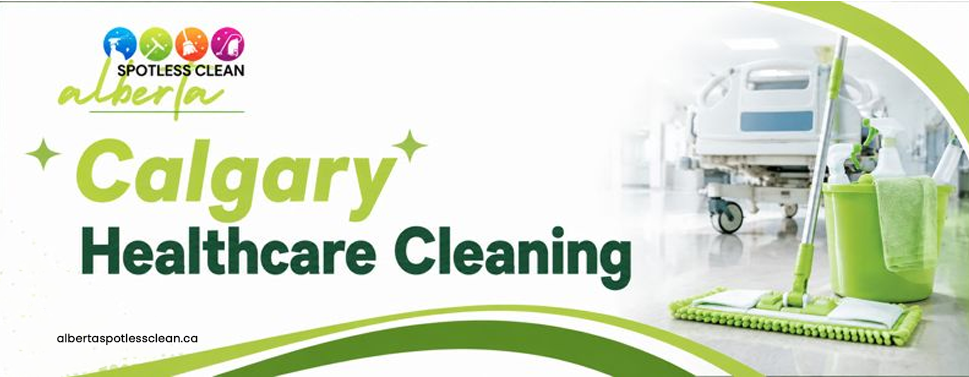
Healthcare facilities are places where cleanliness directly supports patient well-being. Hospitals, clinics, dental practices, long-term care centres, medical offices, and rehabilitation facilities all experience frequent movement of patients, staff, and visitors. This makes effective cleaning and disinfection an important part of infection prevention.
Calgary Healthcare Cleaning requires more than making rooms look tidy. It involves consistent procedures, appropriate disinfectants, trained cleaning personnel, and careful attention to high-touch and high-risk areas. Alberta Health Services identifies environmental cleaning as an important component of routine infection prevention and control practices.
Why Healthcare Cleaning Matters in Calgary?
Healthcare environments contain many surfaces that are touched repeatedly throughout the day. Door handles, examination tables, countertops, light switches, chairs, bed rails, bathroom fixtures, medical equipment, and other frequently touched areas can become contaminated. Patients may also have different levels of vulnerability. Some may be recovering from surgery, receiving treatment, managing chronic conditions, or experiencing weakened immune responses. Effective environmental cleaning can therefore help reduce opportunities for microorganisms to spread.
Alberta Health Services notes that routine practices are intended to help break the chain of infection and apply across healthcare settings. Environmental and equipment cleaning form part of these routine practices. For Calgary healthcare providers, maintaining a reliable cleaning program is consequently not just about appearance. It is an important part of creating a safe environment for patients, employees, and visitors.
Cleaning and Disinfection Are Not the Same
One of the most important concepts in Calgary Healthcare Cleaning is understanding the difference between cleaning and disinfection.
- Cleaning removes visible dirt, dust, grime, organic material, and other contaminants from a surface. It can reduce the number of microorganisms present but does not necessarily destroy them.
- Disinfection involves using an appropriate disinfectant to kill or inactivate microorganisms on suitable surfaces.
Both processes have a role. A healthcare facility should not simply spray disinfectant over visibly dirty surfaces and assume the area is hygienic. Proper procedures should address cleaning first and then disinfection when required.
Alberta Health Services specifically provides environmental cleaning and disinfection principles for healthcare environments and non-critical medical equipment.
Focus on High-Touch Surfaces
High-touch surfaces deserve particular attention because they are contacted frequently by different people.
Depending on the facility, these may include:
- Door handles and push plates
- Reception counters
- Examination tables
- Bed rails
- Chair arms
- Light switches
- Handrails
- Bathroom fixtures
- Computer keyboards and workstations
- Frequently handled equipment
- Cabinet and drawer handles
A cleaning plan should identify these surfaces and establish appropriate cleaning frequencies based on the type of healthcare environment and level of use.
Regular attention to high-touch areas helps create a more consistently hygienic environment instead of relying only on visible cleanliness.
Use Appropriate Cleaning Procedures
Healthcare cleaning should follow a defined process rather than relying on individual habits. Alberta Health Services recommends considering infection prevention and control risks before cleaning a patient room or space and selecting appropriate personal protective equipment when exposure to blood, body fluids, secretions, or other contaminants is possible.
Cleaning teams should also understand:
- Which products are appropriate for particular surfaces
- Required contact times for disinfectants
- Correct dilution and application procedures
- Which equipment should be dedicated to specific areas
- How to handle contaminated materials
- How to safely dispose of waste
- When additional protective equipment is required
- How to prevent cross-contamination between rooms
Following product manufacturers’ instructions is also important. Alberta Health Services recommends using cleaning and disinfection supplies according to validated manufacturer instructions.
Prevent Cross-Contamination
Cross-contamination can undermine an otherwise thorough cleaning program. For example, using the same cleaning equipment across different areas without proper cleaning or disinfection can potentially transfer contaminants from one surface or room to another. Healthcare cleaning teams should therefore establish clear workflows. Cleaning equipment may need to be dedicated to particular areas, particularly higher-risk environments.
The sequence of cleaning can also matter. Alberta Health Services recommends moving from higher to lower surfaces and from less contaminated to more contaminated areas in applicable healthcare cleaning environments. A structured workflow gives cleaning personnel a consistent method to follow and reduces the possibility of overlooking important areas.
Cleaning Different Healthcare Areas
Not every area in a healthcare facility carries the same cleaning requirements.
Patient Rooms
Patient rooms require careful attention to frequently touched surfaces, furniture, floors, bathrooms, and relevant equipment. Cleaning procedures may also need to account for additional precautions associated with certain infections.
Waiting Rooms
Waiting areas experience high visitor turnover. Chairs, tables, counters, door handles, and other shared surfaces should be incorporated into regular cleaning schedules.
Examination Rooms
Examination rooms require consistent cleaning between patients where applicable, with particular attention to examination tables, equipment, work surfaces, and high-touch areas.
Washrooms
Healthcare washrooms require thorough cleaning because multiple surfaces can come into contact with hands and bodily fluids. Fixtures, handles, sinks, dispensers, floors, and other surfaces should be included in the cleaning plan.
Treatment and Procedure Areas
Higher-risk clinical environments require particularly careful procedures. Cleaning personnel should follow facility-specific protocols and use appropriate products, equipment, PPE, and workflows.
Staff Training Makes a Difference
Even the best cleaning products cannot compensate for inconsistent procedures. Customized cleaning solutions in Alberta should understand the purpose behind each step of the cleaning process. Training should cover product use, PPE, infection prevention, surface compatibility, equipment handling, waste management, and procedures for spills or potentially contaminated materials.
Alberta Health Services’ environmental cleaning guidance emphasises appropriate procedures, risk assessment, PPE, and safe handling practices. Ongoing training can also help teams stay consistent when new employees join or when facility requirements change.
Quality Checks and Cleaning Audits
Healthcare facilities benefit from measuring cleaning quality rather than assuming that scheduled cleaning automatically means effective cleaning. Audits can identify missed surfaces, inconsistent procedures, product-use problems, and areas that require additional attention.
Alberta Health Services, for example, uses an auditing program that assesses cleanliness through visual assessments and ultraviolet marker audits across its facilities. For Calgary healthcare facilities, internal inspections and documented checklists can similarly help management identify gaps and improve accountability.
Choosing a Healthcare Cleaning Service in Calgary
Healthcare organisations should evaluate cleaning providers carefully. General commercial cleaning experience does not automatically mean a company understands healthcare environments. Before hiring a cleaning provider, consider its experience with healthcare facilities, staff training procedures, cleaning protocols, disinfectant practices, documentation, quality-control systems, and ability to follow facility-specific requirements.
A professional provider should also understand that different areas may require different approaches. The cleaning plan should be designed around the facility, its users, traffic levels, surfaces, and applicable infection prevention requirements.
Final Words
A clean healthcare environment supports more than a professional appearance. It contributes to hygiene, infection prevention, patient confidence, and workplace safety. Calgary Healthcare Cleaning facilities can strengthen their cleaning programs by prioritising high-touch surfaces, following appropriate cleaning and disinfection procedures, preventing cross-contamination, training staff, and regularly checking cleaning quality. Alberta Health Services recognises environmental cleaning as an important part of infection prevention and safe healthcare environments.
For healthcare organisations looking for professional cleaning support, Alberta Spotless Clean can be considered for maintaining clean, hygienic, and welcoming healthcare spaces. A consistent professional cleaning approach can help Calgary healthcare facilities maintain high standards of cleanliness while allowing their staff to focus on what matters most—providing quality care to patients.