A clean office creates a better environment for employees, visitors, and clients. However, keeping a workplace consistently clean requires more than occasional dusting or vacuuming. The right cleaning frequency depends on factors such as office size, employee count, foot traffic, industry, and the areas being used most often. In Calgary, many offices benefit from cleaning several times a week, while busy workplaces may require daily service.
A structured yet the Best Office Cleaning Solutions Calgary schedule also helps prevent dirt, clutter, and germs from building up. By understanding how often different office areas should be cleaned, businesses can maintain a healthier, more professional, and welcoming workplace throughout the year.

Why Office Cleaning Frequency Matters?
The Best Office Cleaning Solutions Calgary is not simply about making a workplace look attractive. Regular cleaning helps control dust, dirt, unpleasant odours, and buildup on frequently touched surfaces. It can also contribute to a more comfortable environment for employees and visitors. The ideal frequency is different for every business. A small office with five employees will not have the same cleaning requirements as a large corporate building with hundreds of workers.
Similarly, a customer-facing office may need more frequent cleaning than a workplace where only a few employees visit each day. Calgary businesses can therefore benefit from creating a cleaning schedule based on actual usage instead of following a one-size-fits-all routine. Local commercial cleaning guidance commonly recommends daily service for busy offices, while smaller, lower-traffic offices may be adequately served several times per week.
How Often Should a Calgary Office Be Cleaned?
Daily Cleaning
Daily cleaning is usually appropriate for busy offices with substantial employee or visitor traffic. It is particularly useful when an office has shared kitchens, multiple washrooms, busy reception areas, or frequent client visits.
Daily cleaning can include:
- Emptying garbage and recycling bins
- Cleaning and sanitising washrooms
- Vacuuming carpets
- Sweeping and mopping hard floors
- Wiping desks and commonly used surfaces
- Cleaning kitchen counters and sinks
- Disinfecting frequently touched surfaces
- Cleaning reception and entrance areas
Busy offices may also require additional attention to high-touch areas during the working day. Door handles, light switches, elevator buttons, shared equipment, and other frequently handled surfaces can accumulate contamination quickly.
Three to Five Times Per Week
Cleaning three to five times per week can be a practical option for medium-sized offices with moderate traffic. This schedule provides regular maintenance without necessarily requiring service every day. For example, an office with 10 to 20 employees may need cleaning three times a week if employees have relatively consistent schedules and the workplace does not receive many visitors.
Offices with greater traffic can move toward daily service. This frequency can cover washrooms, floors, kitchens, garbage, common areas, and high-touch surfaces while allowing deeper tasks to be scheduled separately.
Once or Twice Per Week
Smaller offices with limited foot traffic may only require weekly or twice-weekly professional cleaning. This can work well for workplaces with a small number of employees, limited public access, or hybrid working arrangements.
However, weekly cleaning should not mean ignoring the office between professional visits. Employees should still maintain basic cleanliness by disposing of waste properly, cleaning up spills, and keeping shared areas organised. Weekly professional cleaning can focus on thorough vacuuming, mopping, washroom cleaning, dust removal, kitchen sanitation, and other essential tasks.
Daily, Weekly, and Monthly Cleaning Tasks
A good office cleaning plan separates routine tasks from deeper maintenance.
Daily Tasks
Daily tasks generally focus on areas that receive the most use. These include washrooms, kitchens, entrances, reception desks, floors, waste bins, and high-touch surfaces. Cleaning these areas regularly helps prevent visible dirt and buildup while maintaining a consistently presentable environment.
Weekly Tasks
Weekly cleaning can involve areas that do not require attention every day. These may include:
- Detailed dusting
- Baseboard cleaning
- Interior glass cleaning
- Cleaning corners and less accessible areas
- More thorough floor maintenance
- Cleaning office partitions
- Dusting vents and ledges
A structured checklist can make sure these tasks are not forgotten. Calgary cleaning guidance similarly recommends dividing office maintenance into daily, weekly, and monthly routines to improve consistency.
Monthly or Periodic Tasks
Some cleaning jobs can be scheduled monthly, quarterly, or according to the condition of the facility. These may include deep carpet cleaning, detailed floor care, upholstery cleaning, high-level dusting, and other specialised services.
Carpet cleaning, for example, may need to happen more frequently in reception areas and corridors because these spaces experience greater foot traffic. Lower-traffic office areas may require less frequent professional carpet treatment.
What Factors Determine Cleaning Frequency?
Office Size
Larger offices naturally have more rooms, surfaces, and flooring to maintain. A large office building may require daily cleaning, while a small professional office may only need service a few times a week.
Number of Employees
More employees generally mean more foot traffic, more waste, and greater use of shared facilities. Employee count should therefore be considered when determining the cleaning schedule.
Foot Traffic
Reception areas, meeting rooms, entrances, elevators, and corridors can become dirty faster than private offices. Businesses with frequent visitors may need these areas cleaned more often.
Type of Business
A standard administrative office has different requirements from a medical facility, restaurant, school, or retail business. Industries with stricter hygiene requirements may require specialised cleaning and more frequent disinfection.
Shared Facilities
Kitchens, break rooms, washrooms, conference rooms, and shared workstations often require additional attention because many people use the same surfaces.
Seasonal Conditions
Calgary’s changing weather can also influence cleaning requirements. Snow, rain, mud, and moisture can be tracked into entrances and corridors. During challenging weather conditions, floors and entrance areas may require more frequent attention.
Signs Your Office Needs More Frequent Cleaning
Your current schedule for the Office & Building Cleaning Calgary may not be sufficient if you regularly notice:
- Dust accumulating on desks and surfaces
- Overflowing garbage bins
- Dirty washrooms
- Sticky kitchen counters
- Unpleasant odours
- Visible marks on floors
- Dirty entrance mats
- Employees complaining about cleanliness
- Clients noticing untidy areas
These signs indicate that the cleaning frequency or scope may need to be adjusted.
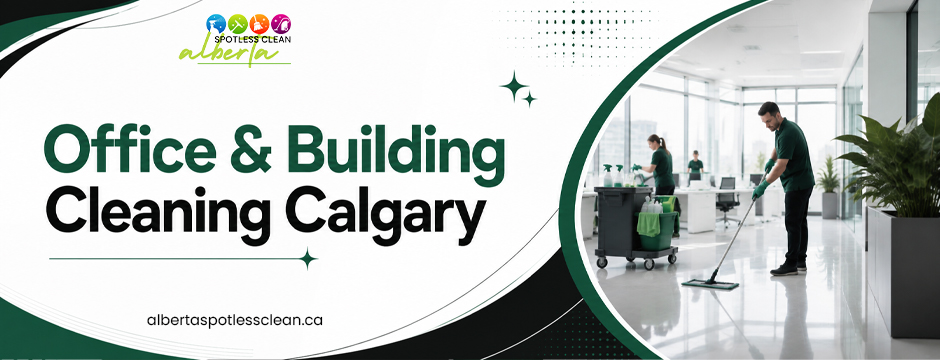
Why After-Hours Office Cleaning Can Be Useful
Many Calgary offices prefer cleaning after employees leave for the day. Evening or night cleaning can reduce interruptions and allow cleaning staff to work through the entire space more efficiently.
After-hours service can also mean employees return to a clean workplace the following morning. Local office-cleaning providers commonly offer evening, early-morning, weekend, or other flexible schedules to accommodate business operations. The schedule should also account for building access, security procedures, alarm systems, and areas containing confidential information.
How to Create an Effective Office Cleaning Schedule
Start by dividing the workplace into different zones. Identify high-traffic areas, employee workspaces, washrooms, kitchens, meeting rooms, entrances, and storage areas. Next, determine which areas require daily attention and which can be handled weekly or monthly. Consider employee numbers, visitor traffic, business type, and seasonal changes.
Finally, review the schedule regularly. If certain areas become dirty before the next scheduled cleaning, increase their cleaning frequency. If some tasks consistently require little attention, they can potentially be moved to a less frequent rotation. The goal is not necessarily to clean everything every day. Instead, the goal is to clean the right areas at the right frequency.
Final Words
There is no universal answer to how often an office should be cleaned. A small, low-traffic workplace may need professional cleaning once or twice a week, while a busy office may benefit from cleaning three to five times per week or even daily. High-touch areas, washrooms, kitchens, entrances, and shared spaces generally deserve the most frequent attention.
Alberta Spotless Clean can help create a cleaning routine based on the workplace’s size, usage, and specific requirements. A well-planned cleaning schedule can make it easier to maintain a professional, comfortable, and consistently welcoming office environment.