Remove Pine Sap From Deck Like a Professional Cleaner
Imagine walking out onto your deck on a beautiful Alberta morning, coffee in hand, ready to enjoy the crisp air and the view of your backyard. You take a step, and then you hear it—the dreaded “thwack” of your shoe pulling away from a sticky, amber puddle. You look down to see that a nearby Lodgepole pine or White spruce has gifted you a stubborn glob of resin. If you have ever tried to wipe it away with a rag only to smudge it into a larger, fuzz-covered mess, you know the frustration.
Pine sap is not just an eyesore; it is a chemical challenge that can ruin your deck’s finish or permanently stain your expensive composite boards. Whether you are dealing with a heritage cedar installation or a modern Trex surface, you need a plan that works without causing more damage. This guide will walk you through the Professional Cleaner secrets to dissolving, freezing, and lifting sap away, specifically tailored for the unique climate and tree species we face here in Alberta.
Defining the Enemy: The Biochemistry of Conifer Resins
To effectively address the removal of pine sap from a residential deck, one must first distinguish between the various substances frequently categorized under the umbrella term “sap.” In a professional maintenance context, true vascular sap is a relatively thin fluid consisting primarily of water, hormones, minerals, and sugars, which moves through the tree’s xylem and phloem. While vascular sap can be sticky, it is typically water-soluble and easily managed with standard cleaning solutions.
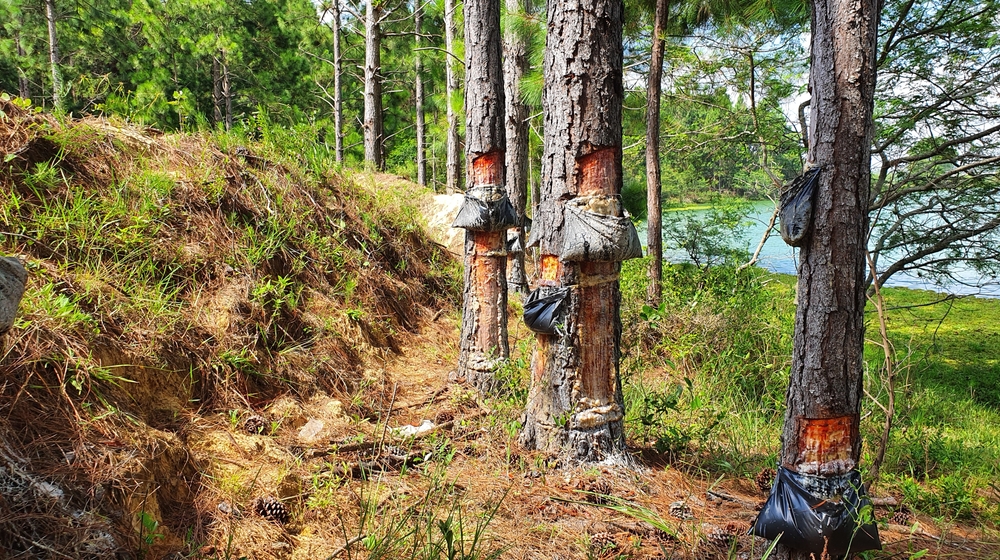
The primary antagonist for Alberta homeowners is actually resin, often referred to as pitch. Resin is a much more viscous, hydrophobic substance secreted by conifers—such as the Pines, Spruces, and Firs common to the Canadian Rockies and the Prairies—as a defensive mechanism against physical injury, fungal infection, and insect boring. Chemically, these resins are composed of non-polar compounds, including volatile terpenes and solid resin acids like abietic acid ($C_{20}H_{30}O_2$).
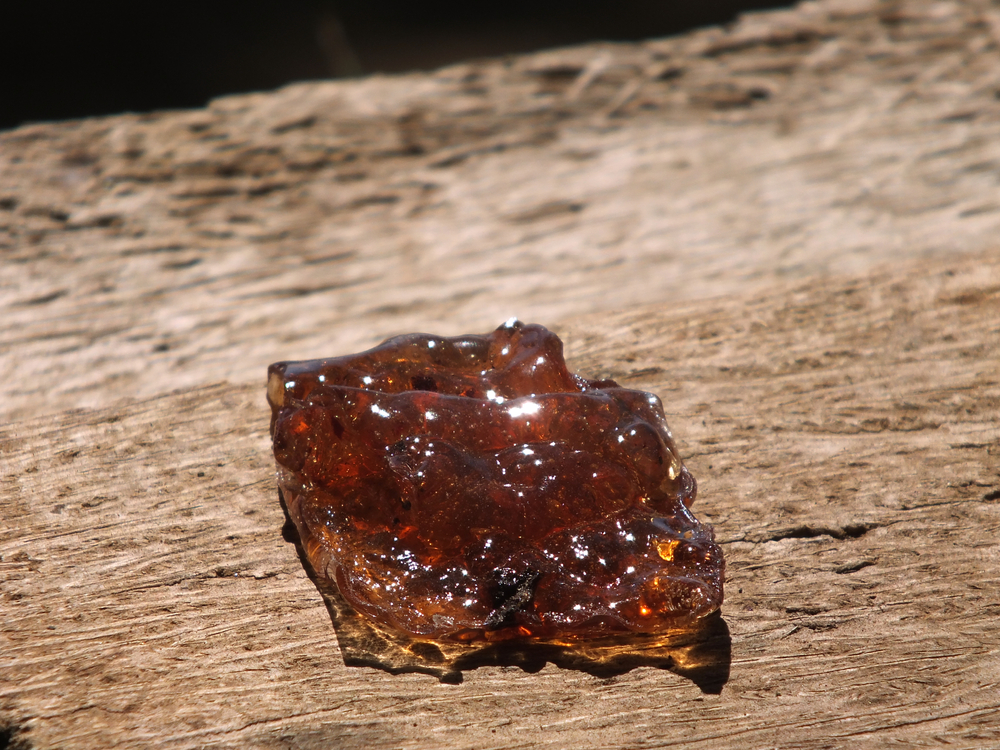
When resin is expelled from a tree and lands on a deck surface, it begins a process of atmospheric oxidation. The volatile terpenes, which give pine its characteristic scent, evaporate over time, leaving behind a hardened, crystalline structure of resin acids that bonds tenaciously to the substrate. In Alberta’s climate, characterized by intense high-altitude UV exposure and semi-arid conditions, this “baking” process is accelerated. What starts as a tacky droplet can, within days, become a rock-hard amber deposit that resists traditional water-based detergents. This chemical transition from a liquid to a solid state explains why homeowners often fail when using simple soap and water; the non-polar resin effectively repels the polar water molecules.
The Thermal Threshold of Resin Stability
A critical technical detail for deck owners is the “set point” of wood resin. During the industrial processing of lumber, high-quality timber is ideally kiln-dried to temperatures ranging from $160^\circ F$ to $170^\circ F$ ($71^\circ C$ to $77^\circ C$). This thermal treatment causes the internal sugars and resins to crystallize and “set,” theoretically preventing them from migrating to the surface of the finished board.
However, many residential decks are constructed using “green” lumber or pressure-treated wood that has not reached these internal temperatures. In the height of an Alberta summer, when surface temperatures on a dark-stained deck can easily exceed $50^\circ C$, the internal resin can re-liquify and “weep” out of the wood’s knots and grain. This phenomenon, known as weeping sap, is a common maintenance headache for owners of new wood decks and requires specific strategies to manage the ongoing seepage while protecting the surface finish.
Alberta’s Arboreal Landscapes: Identifying the Sources
Maintaining a deck in Alberta requires a localized understanding of the tree species that contribute to the sap problem. The province’s urban forests and natural landscapes are dominated by specific conifers that are prolific resin producers.
The Lodgepole Pine (Pinus contorta)
As the provincial tree of Alberta, the Lodgepole pine is ubiquitous. It is characterized by its slender trunk and needles that grow in bundles of two. These trees are highly resinous, particularly during their active growing season in late spring and early summer. Resins from the Lodgepole pine are notoriously thick and often contain high concentrations of terpenes that can act as solvents themselves, potentially softening certain low-quality deck stains upon contact.
The White Spruce and Black Spruce (Picea glauca and Picea mariana)
Spruces are perhaps the most common ornamental trees in Calgary and Edmonton backyards. They produce “candles”—new growth tips—in the spring, which are prime sites for resin production. Spruce resin tends to be lighter in color but can be equally stubborn once it has crystallized on a wooden surface.
Identifying Deciduous Sticky Deposits: The Poplar Problem
Homeowners frequently mistake “honeydew” for pine sap. In many Alberta neighborhoods, particularly older communities with mature Balsam Poplars or Aspens, a sticky film may cover the deck in mid-summer. This is actually the excrement of aphid colonies feeding on the tree leaves. Unlike conifer resin, honeydew is sugar-based and water-soluble. However, it provides a fertile ground for “sooty mold,” which turns the sticky film into a black, soot-like layer that can stain deck boards if not washed away.
| Substance Type | Common Tree Source | Visual Identification | Best Cleaning Approach |
| Conifer Resin | Pine, Spruce, Fir | Thick, amber, localized drips | Solvents (Alcohol/Spirits) |
| Vascular Sap | Maple, Birch | Thin, clear, watery | Warm soapy water |
| Honeydew | Poplar, Elm | Ubiquitous sticky film | Mild detergent & water |
| Poplar Fluff | Female Poplar Trees | White, cotton-like fibers | Sweeping & low-PSI rinse |
Material Science: Wood vs. Composite Response to Sap
The strategy for removing sap depends entirely on the material of the deck. A method that is perfectly safe for a pressure-treated pine board could permanently damage the capping layer of a high-end composite board.
Natural Wood Decks (Cedar, Pine, Ipe)
Wood is a porous, organic material. When sap lands on it, it can penetrate the fibers, especially if the wood is unsealed or if the sealer has begun to fail. Wood is generally more tolerant of stronger solvents like mineral spirits or turpentine, but these chemicals can strip away the existing stain or finish, necessitating a touch-up after the sap is removed.
Composite Decks (Trex, TimberTech, Fiberon)
Modern composite decking consists of a core of wood fibers and recycled plastic, protected by a high-performance “cap” or shell. This cap is engineered to resist staining and fading, but it is sensitive to certain chemicals. Manufacturers like Trex explicitly warn against using harsh industrial solvents like acetone, which can melt or dull the polyethylene cap. For these surfaces, mechanical removal and mild polar solvents like isopropyl alcohol are the preferred professional choices.
Mechanical Removal Strategies: The Power of Temperature
Before reaching for chemical solvents, professional cleaners often utilize the physics of temperature to handle large sap deposits. This is particularly effective for “hardened” sap that has been on the deck for several weeks.
Cryogenic Embrittlement: The Ice Method
The “Ice Method” is the safest approach for composite decking because it involves no chemical interaction with the surface cap.
The Process:
-
Preparation: Place several ice cubes in a sealed plastic bag or use a frozen gel pack.
-
Application: Place the ice directly over the sap glob and let it sit for 20 to 30 minutes. This lowers the temperature of the resin below its “glass transition” point, making it extremely brittle.
-
Removal: Using a plastic putty knife or an old credit card, gently tap the edges of the frozen sap. It should shatter and lift away from the surface in clean pieces.
-
Caution: Avoid using metal scrapers, as these can easily gouge both wood and composite surfaces.
Thermal Softening: The Heat Gun Approach
For fresh or semi-hardened sap on wood decks, heat can be used to re-liquify the resin, making it easier to blot up.
The Process:
-
Application: Use a hair dryer on a low setting or a heat gun (kept in constant motion) to warm the sap.
-
Blotting: As the sap begins to run and liquefy, use disposable paper towels to blot it up. Do not wipe, as this can push the liquid resin deeper into the wood grain.
-
Finish: Once the bulk is removed, the remaining residue can be cleaned with a mild solvent.
Chemical Dissolution: Solvents for Every Surface
When mechanical methods leave a sticky residue behind, chemical solvents are required to break the molecular bonds of the resin.
Isopropyl Alcohol (The Universal Solvent)
Commonly known as rubbing alcohol or found in high-concentration hand sanitizers (70% or higher), isopropyl alcohol is a polar solvent that effectively breaks down the resin acids in pine sap.
-
Best For: Both composite and wood decks.
-
Method: Apply to a clean microfiber cloth and dab the sap. Allow it to sit for 60 seconds to penetrate the resin, then gently scrub in a circular motion.
-
Pro Tip: Alcohol evaporates quickly, leaving no oily residue, making it ideal for a quick spot-clean before guests arrive.
Mineral Spirits and Naphtha
These are petroleum-based non-polar solvents that are highly effective at dissolving oils and resins.
-
Best For: Finished wood decks.
-
Method: Dampen a rag with mineral spirits and rub the affected area. It is vital to test this on an inconspicuous spot first, as it can dissolve certain oil-based stains.
-
Environmental Note: Because these are petroleum distillates, they should be used sparingly to avoid runoff into garden beds or lawns.
Turpentine: The “Like-Cures-Like” Solution
Turpentine is a fluid obtained by the distillation of resin harvested from living trees, mainly pines. Because of this chemical kinship, it is an excellent solvent for tree sap.
-
Best For: Unfinished wood or heavily soiled areas where you plan to re-stain.
-
Risk: It has a very strong odor and is highly flammable. Use only in well-ventilated outdoor areas.
Lubricants (WD-40)
The lubricating agents in WD-40 can infiltrate the bond between the sap and the deck surface.
-
Best For: Composite decks.
-
Method: Spray a small amount on the sap, let it sit for two minutes, and wipe away.
-
Critical Step: You must follow up with a wash of warm, soapy water to remove the oily residue, which can otherwise attract dirt and create a slippery surface.
| Solvent Type | Material Compatibility | Dwell Time | Residue Level |
| Isopropyl Alcohol | Wood & Composite | 1 Minute | Low |
| Mineral Spirits | Wood Only | 2-5 Minutes | Moderate |
| WD-40 | Composite (Safe) | 2 Minutes | High (Must Wash) |
| Murphy’s Oil Soap | Finished Wood | 15 Minutes | Moderate |
| Turpentine | Wood Only | 1-2 Minutes | High |
The Household Alternative: Pantry Items that Perform
Sometimes the best solutions are already in your kitchen. These methods are particularly useful for those who prefer eco-friendly or non-toxic cleaning agents.
The Peanut Butter Trick
It may sound like an old wives’ tale, but peanut butter contains natural oils that act as effective solvents for tree resin. The oils soften the sap while the slight grit of the peanut butter provides mild mechanical agitation.
-
Application: Smear a glob of creamy peanut butter over the sap and let it sit for 10 minutes. Scrub gently with a soft brush and rinse with soapy water.
Cooking Oils (Olive or Vegetable Oil)
Similar to the peanut butter method, the non-polar molecules in cooking oils can help loosen the grip of the sap.
-
Application: Massage a few drops of oil into the sap until it begins to dissolve. This is also one of the safest ways to remove sap from your skin or your pet’s fur if they have been roaming on the deck.
Pressure Washing Protocols: Precision and Pressure
For large decks with widespread sap issues, pressure washing is often the most efficient route. However, in Alberta, where many decks are made of softwoods like Cedar or pressure-treated Pine, the risk of “fuzzing” or gouging the wood is high.
Recommended Settings for Alberta Decks
| Deck Material | Max PSI | Recommended Nozzle | Minimum Distance |
| Cedar / Pine | 500 – 800 PSI | $25^\circ$ or $40^\circ$ Fan Tip | 12 Inches |
| Ipe / Hardwoods | 1,000 – 1,200 PSI | $25^\circ$ Fan Tip | 12 Inches |
| Composite | 1,500 PSI | $40^\circ$ Fan Tip | 8 – 12 Inches |
Professional Tips for Safe Pressure Washing:
-
Always use a fan-tip nozzle: Never use a “zero-degree” or pinpoint nozzle, as these will cut through wood fibers like a laser.
-
Sweep with the grain: Move the wand in long, continuous strokes following the direction of the wood grain to avoid leaving visible stop-and-start marks.
-
The “Dwell” is Key: Instead of using higher pressure, use a deck-specific cleaner (like an oxygen-bleach solution) and allow it to sit for 15 minutes to soften the sap before rinsing.
Post-Cleaning Restoration: Sanding, Staining, and Sealing
Once the sap is removed, the work is not quite finished. The cleaning process, especially if solvents or pressure washing were used, likely stripped away some of the deck’s protective barrier.
Testing the Finish
To determine if you need to re-seal the area, perform the “Water Bead Test.” Sprinkle a few drops of water onto the cleaned wood. If the water beads up, the seal is still intact. If the water soaks into the wood within a minute, the area is unprotected and vulnerable to moisture and future sap penetration.
Choosing the Right Protection for Alberta
Alberta’s climate—with its $+30^\circ C$ summers and $-30^\circ C$ winters—is brutal on deck finishes.
-
Oil-Based Penetrating Stains: These soak into the wood fibers and provide excellent protection against the drying effects of Alberta’s sun. Brands like Armstrong Clark or Cabot Australian Timber Oil are highly regarded for their durability.
-
Water-Based Acrylic Stains: These form a protective film on top of the wood. They generally offer superior UV protection and are more eco-friendly but can be prone to peeling in freeze-thaw cycles if not applied perfectly.
The Role of Shellac for Weeping Knots
If you have a recurring problem with sap bleeding out of specific knots in a wood deck, the professional solution is to seal those knots with shellac before re-staining. Shellac is one of the few substances that can effectively block the resins from migrating to the surface.
Seasonal Maintenance Calendar for Alberta Decks
Preventing sap buildup is far easier than removing it once it has baked in the sun. Follow this schedule to keep your deck in peak condition.
Spring (April – May)
-
Inspect and Prune: Check overhanging branches. Prune back any conifer limbs that are hovering directly over the deck. Early spring is the best time to prune to minimize stress to the tree.
-
Deep Clean: Wash away winter grime and any early sap “candles” that have dropped.
Summer (June – August)
-
Weekly Sweep: Remove needles and debris quickly. Pine needles are acidic and can trap moisture against the deck surface, promoting mold growth.
-
Spot Clean: Keep a bottle of hand sanitizer and a microfiber cloth handy for immediate sap removal.
Autumn (September – October)
-
The Final Soak: Water your evergreens deeply before the first freeze. Well-hydrated trees are less likely to experience the stress that leads to excessive resin production.
-
Clear the Gaps: Ensure the spaces between deck boards are clear of needles to allow for proper drainage during the spring thaw.
Winter (November – March)
-
Snow Management: Use a plastic shovel to remove snow. Metal shovels can scratch the surface, creating entry points for sap and moisture in the spring.
Featured Snippet: Step-by-Step Sap Removal
How to Remove Tree Sap from a Deck (Fastest Method)
- Freeze: Place an ice pack on the sap glob for 20 minutes until hard.
- Scrape: Use a plastic scraper to gently chip off the brittle sap.
- Dissolve: Apply 70% isopropyl alcohol to a cloth and rub any remaining sticky residue.
- Rinse: Clean the area with warm, soapy water and dry thoroughly.
- Protect: Test the area with a water drop; re-apply sealer if the wood absorbs the water.
Conclusion
Managing pine sap is an essential part of deck ownership in Alberta, but it does not have to be an overwhelming chore. By understanding the chemistry of conifer resins and the specific needs of your decking material—whether it is the sensitive cap of a composite board or the porous grain of a cedar plank—you can maintain a spotless outdoor space year-round.
Remember that speed is your ally; fresh sap is significantly easier to dissolve than sun-baked resin. Armed with simple tools like ice, rubbing alcohol, and a plastic scraper, you can handle almost any “sticky situation” that the Alberta wilderness throws at you. For those who find the task too daunting or are dealing with years of accumulated buildup, professional deck cleaning services can provide the industrial-grade solutions and precision pressure washing needed to restore your deck to its original glory.