Expert Tricks for Cleaning Wildfire Ash From Home Today
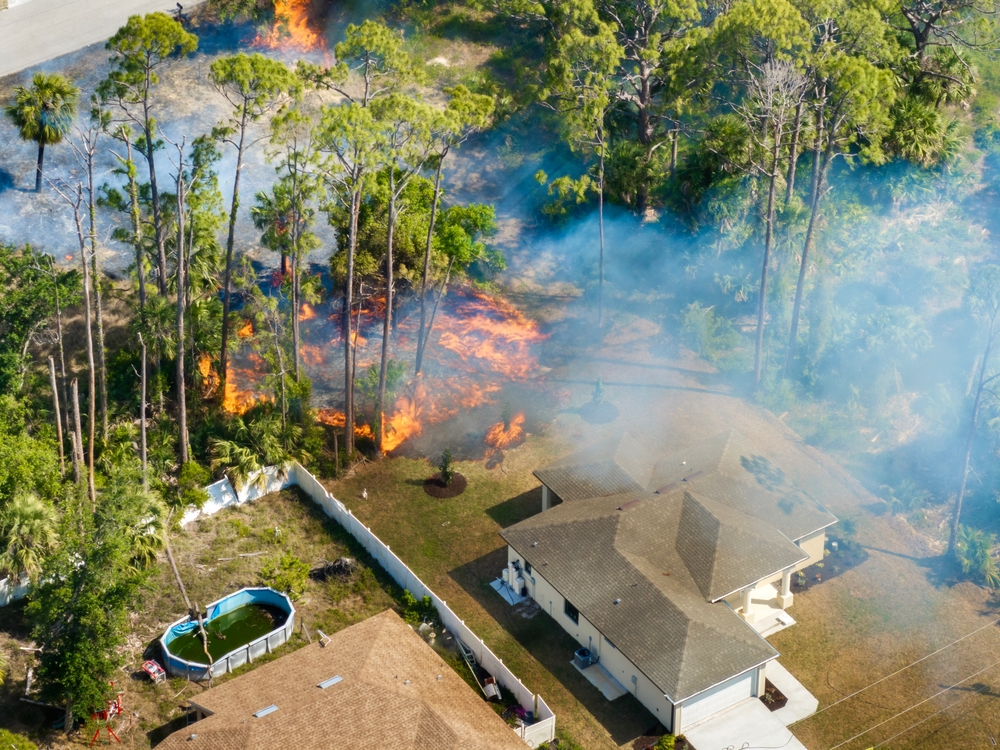
The phenomenon of the “Wildland-Urban Interface” (WUI) fire has fundamentally altered the landscape of disaster recovery in Western Canada. When communities such as Fort McMurray in 2016 and Jasper in 2024 faced catastrophic wildfire events, the resulting debris was not merely the biological remains of charred timber, but a complex, hazardous byproduct of modern synthetic life.
For a restoration firm operating in Alberta, the challenge of cleaning wildfire ash from a home transcends simple aesthetics; it is a task of chemical decontamination and environmental stabilization. This report serves as a definitive guide for professional peers and property owners on the scientific protocols required to remediate a residence after a wildfire event, ensuring that the invisible threats of heavy metals, volatile organic compounds (VOCs), and caustic residues are neutralized.
The Forensic Chemistry of Wildfire Ash and Soot
To effectively clean wildfire residue, one must first understand its molecular architecture. The debris left behind by a wildfire is categorized into two distinct types: forest ash and structural ash. While forest ash is largely composed of calcium, magnesium, and potassium carbonates, structural ash—the result of burned homes, vehicles, and consumer electronics—contains a lethal array of industrial toxins.
Chemical Composition and Corrosive Potential
The combustion of synthetic materials such as PVC piping, treated lumber, polyurethane foam, and household appliances introduces heavy metals and hazardous organic compounds into the ash. Research conducted following major fires has identified elevated levels of arsenic, lead, cadmium, and nickel in settled dust. Furthermore, the high temperatures of these fires often result in the formation of alkaline salts. When these salts come into contact with moisture—even the ambient humidity found in a typical Alberta home—they form caustic solutions that can permanently etch glass, pit aluminum frames, and degrade the polymers in vinyl siding.
| Contaminant Category | Common Compounds Identified | Origin in the Domestic Environment | Restoration Implication |
| Heavy Metals | Lead, Arsenic, Cadmium, Nickel, Mercury. |
Older paints, electronics, batteries, treated wood. |
Requires HEPA-filtration and wet-method removal to prevent chronic toxicity. |
| Persistent Organics | Polycyclic Aromatic Hydrocarbons (PAHs), Dioxins, Furans. |
Incomplete combustion of fossil fuels and plastics. |
Known carcinogens; source of persistent “burnt” odors via off-gassing. |
| Volatile Organics | Benzene, Formaldehyde, Styrene. |
Adhesives, upholstery, synthetic flooring. |
Requires activated carbon filtration for airborne mitigation. |
| Caustic Agents | Potassium and Sodium Oxides/Carbonates. |
General organic and synthetic ash. |
High pH levels; can cause chemical burns and structural corrosion. |
| Mineral Fibers | Asbestos, Crystalline Silica. |
Insulation, drywall mud, cement products. |
Inhalation hazard; requires professional abatement if disturbed. |
The physical structure of ash also plays a role in its persistence. Fine particulate matter, categorized as PM2.5, can remain suspended in the air for weeks. These particles are small enough to penetrate the deeper recesses of a home’s mechanical systems and settle into the weave of porous fabrics, where they act as a reservoir for semi-volatile organic compounds (sVOCs).
Pathophysiology of Ash Exposure and Human Health Risks
The return to a fire-impacted area involves significant biological risks. Exposure pathways include inhalation, dermal absorption, and accidental ingestion. The health impacts are not merely immediate irritations but can extend into chronic respiratory and cardiovascular complications if the environment is not properly remediated.
Respiratory and Systemic Vulnerabilities
Inhaled ash particles can trigger a cascade of inflammatory responses. Because structural ash often contains acidic or alkaline components, it can cause immediate chemical irritation of the mucosal linings in the nose, throat, and lungs. For individuals with pre-existing conditions such as asthma or chronic obstructive pulmonary disease (COPD), exposure can lead to acute bronchospasms and hospitalization.
A critical longitudinal study following the Marshall Fire found that 55% of residents reported symptoms such as dry cough, sore throat, and headaches six months after the event. These symptoms were highly correlated with the presence of persistent odors in the home, suggesting that the continuous off-gassing of VOCs from improperly cleaned surfaces provides a chronic low-level toxic exposure.
Dermal Hazards and Chemical Burns
A frequently overlooked risk is the caustic nature of wet ash. Alberta Healthcare cleaning Services warns that ash from burned structures can have a pH level equivalent to industrial lye. If ash comes into contact with sweat or cleaning water on the skin, it can cause significant irritation or even chemical burns. This necessitates the use of full-body personal protective equipment (PPE) during any cleaning operation.
Personal Protective Equipment (PPE) Engineering Standards
For both professionals and homeowners, the selection of PPE is governed by the need to exclude submicron particles and corrosive dust. Typical dust masks available at general retailers are insufficient for the hazards present in a post-wildfire environment.
Respiratory Protection: N95 vs. P100
The primary defense against particulate inhalation is the NIOSH-approved respirator.
-
N95 Respirators: These filter at least 95% of airborne particles but are not resistant to oil-based aerosols. They are suitable for general ash cleanup in environments where smoke has dissipated.
-
P100 Respirators: These offer a higher filtration efficiency of 99.97% and are oil-proof. These are recommended for environments with heavy soot (which is oily) or when using cleaning chemicals that may aerosolize.
The efficacy of these respirators is entirely dependent on the “seal check.” Alberta’s restoration experts emphasize that a respirator must be fitted to smooth skin; facial hair can prevent a proper seal, allowing toxic air to bypass the filter.
Comprehensive Dermal and Ocular Protection
Beyond the lungs, the eyes and skin must be shielded from the abrasive and caustic effects of ash.
| PPE Item | Requirement Standard | Protective Function |
| Safety Goggles |
Non-vented or indirect-vent. |
Prevents fine ash from entering the tear ducts and causing corneal scratches. |
| Gloves |
Nitrile or heavy-duty rubber. |
Protects against chemical burns from wet ash and sharp debris. |
| Coveralls |
Disposable Tyvek or long-sleeved clothing. |
Prevents ash from settling on skin or being tracked into clean zones. |
| Footwear |
Thick-soled, steel-toed boots. |
Guards against structural instability and sharp objects (nails, glass). |
Exterior Structural Remediation: The “Three Cs” Protocol
The exterior of a home acts as a primary collection point for airborne ash. In Alberta’s climate, wind can re-suspend this ash, creating a cycle of re-contamination. Professionals utilize the “Control, Contain, and Capture” strategy to break this cycle.
The Danger of Re-suspension
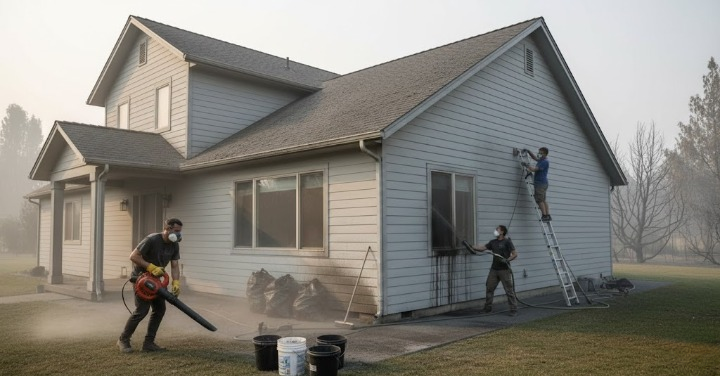
A catastrophic error often made by homeowners is the use of leaf blowers or pressure washers on dry ash. Leaf blowers pulverize ash into finer particles, driving them into the home’s attic through soffit vents and into the HVAC system through air intakes. Instead, the goal must be stabilization through moisture.
Systematic Exterior Cleaning Steps
-
Roof and Gutters: Remediation must begin at the highest point of the structure. Ash on the roof should be lightly misted to prevent it from becoming airborne, then gently rinsed toward the gutters. Gutters must be manually cleared of sludge, as wet ash can harden like concrete, leading to drainage failure during subsequent Alberta rainstorms.
-
Siding and Windows: Vinyl and stucco siding are susceptible to staining from soot. A mild detergent solution is usually sufficient. Windows should be washed with significant water to flush away abrasive ash before wiping, as dry-wiping ash can permanently scratch glass surfaces.
-
Driveways and Decks: These surfaces should be wet-swept. Any fire retardant—the red or orange sludge often dropped by aircraft—must be cleaned with water and detergent. It is critical to avoid mixing bleach with fire retardant, as the resulting chemical reaction can release toxic gases.
-
Environmental Protection: Runoff from cleaning operations should be directed toward landscaped areas where the soil can act as a natural buffer. Washing ash into municipal storm drains is a violation of many local environmental bylaws, as the high pH and heavy metal content can devastate local Alberta watersheds.
Interior Remediation: Restoring Indoor Air Quality (IAQ)
The interior of a home provides countless microscopic “reservoirs” for ash and smoke odors. Effective restoration requires a top-to-bottom cleaning of every surface, including the interiors of cabinets and closets.
The Central Role of HEPA Technology
The only effective way to remove ash without exacerbating the problem is the use of High-Efficiency Particulate Air (HEPA) vacuums. Standard domestic vacuums are designed to capture dust but often exhaust fine ash particles back into the room. A HEPA filter captures 99.97% of particles down to 0.3 microns, effectively trapping the most hazardous components of wildfire smoke.
Featured Snippet: What is the safest way to clean wildfire ash?
The safest way to clean wildfire ash is to avoid re-suspending it into the air. Use HEPA-filtered vacuums for all dry surfaces and wet-cleaning methods (damp mopping or wiping) for hard surfaces. Always wear NIOSH-approved N95 or P100 respirators, gloves, and eye protection. Avoid using leaf blowers, air hoses, or standard vacuums, as these devices spread toxic fine particles and drive contaminants deeper into the home’s structure.
Detailed Surface Cleaning Protocols
| Surface Type | Cleaning Method | Rationale |
| Hard Floors (Tile/Laminate) |
Damp mopping with mild detergent. |
Stabilizes ash and prevents it from becoming airborne during foot traffic. |
| Walls and Ceilings |
Top-down wet wiping. |
Gravity pulls contaminants down; working top-to-bottom prevents re-soiling cleaned areas. |
| Kitchen Surfaces |
Soap and water followed by sanitization. |
Ensures no toxic heavy metals remain on food preparation areas. |
| Electronics |
Low-pressure air blast (done outside). |
Ash is conductive and can cause short circuits or static discharge in computers and TVs. |
| Interior Windows |
Wet wiping with clean water changes. |
Prevents the accumulation of “smoke film” which absorbs odors. |
Mechanical Systems: HVAC and Air Filtration Engineering
The Heating, Ventilation, and Air Conditioning (HVAC) system is the “lungs” of the Alberta home. During a wildfire, smoke is pulled into the return vents, where it can contaminate the entire duct network.
MERV Filtration Standards
Post-fire, the standard furnace filter must be upgraded. The industry uses the MERV (Minimum Efficiency Reporting Value) scale to rate filter efficacy.
-
MERV 13: This is the minimum recommended level for wildfire smoke, capturing roughly 50% of submicron particles.
-
MERV 16: This is the gold standard for residential air quality, capturing over 95% of the fine particles found in wood smoke.
There is a common misconception that high-MERV filters will “burn out” the furnace motor. While they do increase resistance, the use of a deep-pleated 4-inch or 5-inch filter provides significantly more surface area than a 1-inch filter, often resulting in lower resistance despite higher filtration efficiency. Homeowners should consult an HVAC professional to ensure their specific system can handle the static pressure of a high-efficiency filter.
Operational Recommendations for HVAC
-
Duct Cleaning: If visible ash is present in the vents, professional duct cleaning is required to prevent the continuous circulation of toxins.
-
Filter Replacement: Filters should be checked monthly for at least one year after the fire. The off-gassing of materials inside the home will continue to saturate filters long after the smoke has cleared.
-
Activated Carbon: To mitigate persistent odors, filters or portable air purifiers should include an activated carbon layer, which is specifically engineered to adsorb gaseous VOCs like benzene and formaldehyde.
Remediation of Porous Materials: Fabrics and Soft Goods
Porous materials are the most difficult to decontaminate because they act as a “sink” for both particulate ash and gaseous odors.
Laundry and Linens
Clothing and linens can often be salvaged through rigorous laundering.
-
Pre-Wash: Take items outside and use a HEPA vacuum or gentle shaking (while wearing PPE) to remove surface ash before bringing them to the machine.
-
Multi-Cycle Approach: Heavily contaminated items may require two or three wash cycles.
-
Neutralization: The use of baking soda or vinegar in the wash can help break down the acidic compounds that cause smoke odor.
-
Industrial Facilities: For extreme contamination, homeowners should use commercial laundromats that offer machines tagged for “heavy contaminants” or “oilers,” which are designed to handle the petroleum-based soot found in structural fires.
Carpets and Upholstered Furniture
If a carpet has been saturated with smoke, the fibers and the underlying padding will likely hold onto sVOCs for months.
-
HEPA Vacuuming: This must be the first step. Vacuuming without a HEPA filter will drive the ash deeper into the backing.
-
Steam Cleaning: Professional-grade steam cleaning uses high-temperature water to dissolve oily soot residues. It is vital to change the water frequently; otherwise, the machine simply redistributes the contaminants across the floor.
-
Replacement: In many cases, particularly when the home was in close proximity to a structural fire, the carpet padding cannot be adequately cleaned and should be replaced to eliminate odors.
Specialized Decontamination: Kitchen, Garden, and Pets
The recovery of a home also involves the safety of the food chain and the wellbeing of domestic animals.
Food and Medicine Safety
Heat, smoke, and chemical vapors can penetrate even sealed containers.
-
Porous Packaging: Any food in cardboard boxes, thin plastic bags, or opened containers must be discarded.
-
Refrigerator Maintenance: Ash can accumulate in the cooling coils of a refrigerator, leading to overheating. These coils should be vacuumed or blown out (outside) to ensure the appliance operates safely.
-
Medications: Any prescription drugs or cosmetics exposed to high temperatures or smoke should be discarded, as the chemicals may have degraded or reacted with the ash.
The Impact on Alberta Gardens
Ash from a wildfire is significantly different from the beneficial wood ash used in gardening. Structural ash can introduce heavy metals like lead and arsenic into the soil.
-
Edible Produce: Alberta Health Services recommends discarding any garden vegetables that were growing during the fire event.
-
Soil Stabilization: If ash is present on the soil, it should be wetted down and gently scraped away into plastic bags for disposal.
-
Playgrounds: Sand, gravel, and mulch under children’s play equipment should be replaced if they show signs of ash contamination, as children are at the highest risk for hand-to-mouth ingestion of heavy metals.
Pet Remediation
Pets are “mobile contaminant collectors.” They track ash into the home and ingest it through grooming.
-
Bathing: All pets should be thoroughly shampooed with a mild detergent to remove ash and fire retardants from their coats.
-
Paw Hygiene: Every time a pet enters the house from an ashy yard, their paws should be wiped with a damp cloth or unscented baby wipe.
-
Hydration: Prevent pets from drinking from puddles that may contain concentrated runoff from the fire or cleaning operations.
The Decision Matrix: Professional Remediation vs. DIY
While a DIY approach may seem cost-effective initially, the complexities of wildfire ash often make professional intervention the safer and more economical long-term choice.
| Decision Factor | DIY Considerations | Professional Restoration (e.g., Alberta Spotless Clean) |
| Safety and Health |
High risk of improper PPE fit and toxin exposure. |
Certified technicians trained in hazardous material handling. |
| Equipment Capability |
Limited to consumer-grade shop vacs (often ineffective). |
Truck-mounted extractors, industrial air scrubbers, and thermal foggers. |
| Documentation |
Likely to be insufficient for complex insurance claims. |
Provides comprehensive moisture maps, air quality tests, and repair logs for insurers. |
| Hidden Hazards |
May overlook ash inside wall cavities or attic insulation. |
Uses infrared cameras and moisture meters to locate hidden reservoirs. |
| Structural Integrity |
Risk of causing damage through improper cleaning (e.g., etching glass). |
Adheres to IICRC standards for fire damage restoration. |
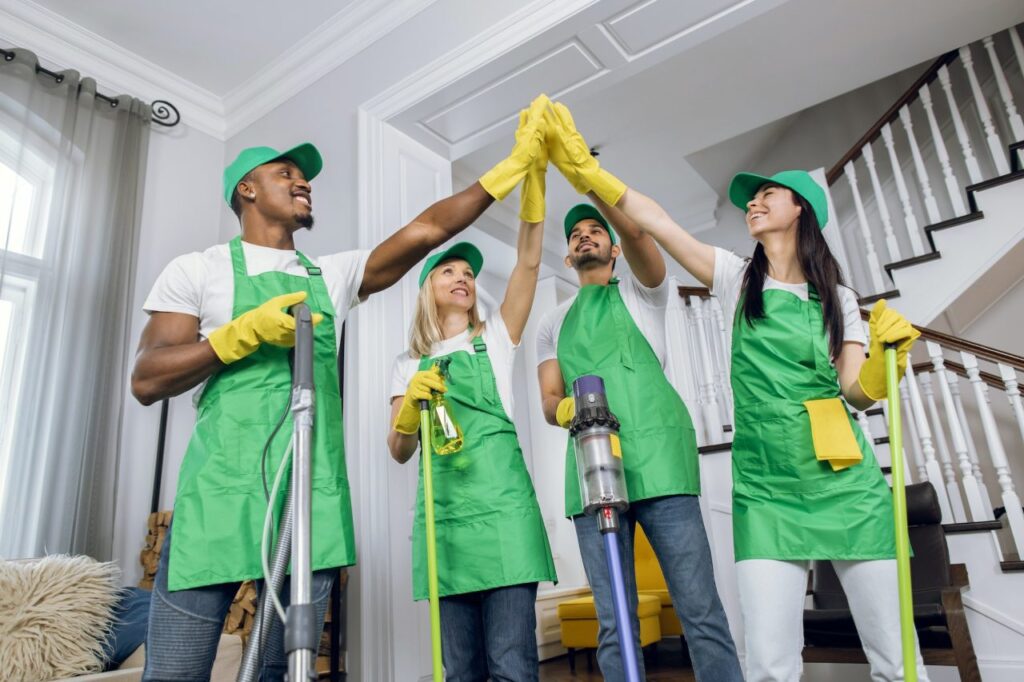
Professional restoration firms bring a level of systematic thoroughness that is difficult to replicate. For instance, they use bonding agents to seal in soot on structural framing before drywall is replaced, ensuring that odors do not migrate through the walls in the future. They also serve as advocates for the homeowner, navigating the challenges of insurance claims and providing the proof necessary for maximum payouts.
Conclusion: A Strategy for Long-Term Recovery
The recovery from a wildfire event in Alberta is a multi-phased process that requires both technical precision and patience. The ash left behind in Jasper and Fort McMurray serves as a reminder that the environment of the modern home is chemically complex and requires more than a simple dusting to restore. By following a top-to-bottom, wet-method cleaning approach, upgrading HVAC filtration to MERV 16 standards, and prioritizing the use of HEPA technology, property owners can effectively mitigate the risks of toxic exposure.
However, the psychological and physical burden of remediation is substantial. For many Albertans, the transition from “surviving” to “thriving” involves recognizing when the complexity of the damage exceeds the capacity of home tools. Engaging with professional restoration experts not only ensures a scientifically valid decontamination but also provides the peace of mind necessary to rebuild a life in the wake of disaster. The ultimate goal is not merely a clean home, but a safe, healthy environment where families can begin their next chapter without the lingering threat of the fire’s toxic ghost.